



What's Happening?
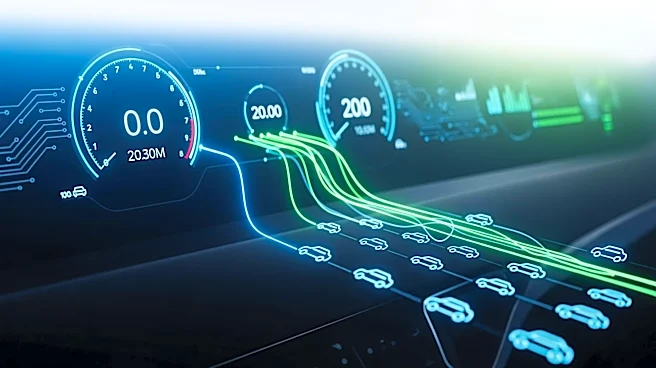
The article discusses the integration of artificial intelligence (AI) in fleet management, emphasizing the transition from traditional data reporting systems to AI-driven systems of action. It highlights the limitations of using generic AI models like
ChatGPT for complex decision-making tasks in fleet operations. Instead, it advocates for purpose-built decision engines that utilize stochastic optimization to evaluate real-time variables and prioritize profitability. The article also explores how AI can automate tasks such as load planning and asset management by using natural language processing and deep connectivity with existing systems.
Why It's Important?
The integration of AI in fleet management is significant as it promises to enhance operational efficiency and profitability. By automating routine tasks and providing real-time decision-making capabilities, AI can reduce human error and improve resource allocation. This shift is crucial for the transportation industry, which faces challenges such as fluctuating fuel prices, regulatory compliance, and the need for timely deliveries. Companies that successfully integrate AI into their operations can gain a competitive edge by optimizing their logistics and reducing operational costs.
What's Next?
As AI technology continues to evolve, fleet management companies are likely to invest more in developing and integrating AI systems tailored to their specific needs. This could lead to increased collaboration between AI developers and fleet operators to create more sophisticated and interconnected systems. Additionally, there may be a focus on addressing the challenges of integrating AI with existing infrastructure, such as ensuring compatibility with electronic logging devices (ELDs) and navigation systems. The industry may also see a shift in workforce roles, with employees focusing more on strategic tasks as AI handles routine operations.
Beyond the Headlines
The adoption of AI in fleet management raises ethical and cultural considerations, such as the potential displacement of jobs and the need for workforce retraining. Companies must balance the benefits of automation with the impact on their employees and ensure that AI systems are used responsibly. There is also a cultural shift towards embracing technology in an industry traditionally resistant to change. As AI becomes more prevalent, companies will need to foster a culture of innovation and adaptability to fully realize the benefits of these technologies.