






What's Happening?
Luna Glamping, a company specializing in geodesic dome structures, is expanding its offerings on the West Coast of North America to meet the growing demand for outdoor hospitality. The company is integrating diverse accommodation types, such as domes
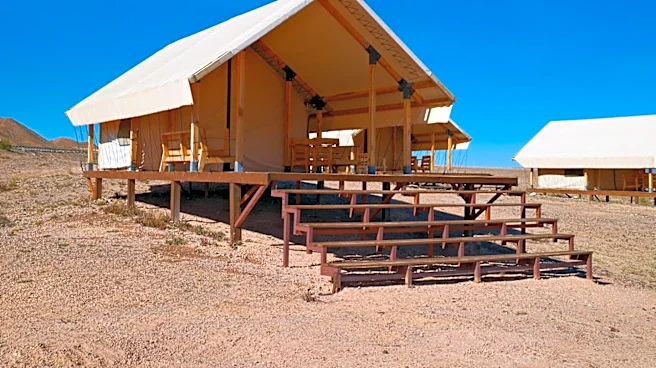
and safari tents, to cater to varying guest preferences. This approach allows resorts to offer personalized experiences, appealing to different market segments. Dome structures are favored for their durability and all-season usability, while safari tents provide a more traditional and cost-effective glamping experience. This strategy supports group travel and multi-unit bookings, enhancing occupancy rates and guest satisfaction.
Why It's Important?
The expansion of diverse glamping accommodations on the West Coast reflects a broader trend in the hospitality industry towards personalization and flexibility. By offering a range of lodging options, resorts can attract a wider audience, from premium travelers to budget-conscious guests. This adaptability is crucial in a competitive market, allowing properties to stand out and maintain high occupancy rates. The integration of different accommodation types also supports sustainable development, optimizing land use and minimizing environmental impact. As demand for experiential travel grows, such strategies are essential for long-term success in the outdoor hospitality sector.
What's Next?
As Luna Glamping continues to expand its offerings, the company is likely to explore new locations and partnerships to further enhance its market presence. The focus on diverse accommodations may lead to increased collaboration with resort developers and landowners, aiming to create unique and sustainable travel experiences. Additionally, the company may invest in technological advancements to streamline operations and improve guest services. The ongoing evolution of booking trends, with travelers seeking more personalized experiences, will likely influence future developments in the glamping industry.
Beyond the Headlines
The shift towards diverse glamping accommodations highlights the importance of balancing durability with accessibility. Dome structures offer long-term resilience, while safari tents provide flexibility and cost-effectiveness. This balance is crucial for managing operational costs and responding to fluctuating demand. The trend also underscores the growing significance of environmental considerations in hospitality development. By optimizing land use and minimizing site disturbance, resorts can enhance their sustainability credentials, appealing to eco-conscious travelers. The integration of diverse accommodations is not just a logistical challenge but a strategic asset that can drive long-term value and resilience.