
What's Happening?
Falcon Copper and Glencore International have signed a memorandum of understanding (MoU) to collaborate on critical minerals projects aimed at enhancing the U.S. supply chain. Under this partnership, Glencore plans
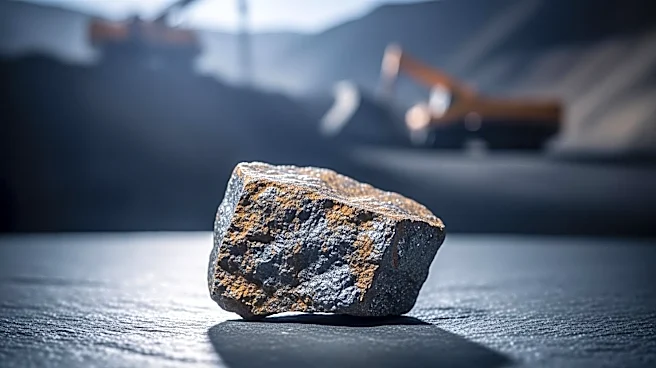
to deliver up to 1.6 million tonnes per annum of copper concentrate to Falcon's proposed smelting and refining facilities in the United States. This initiative seeks to ensure that copper concentrate, intermediate metals, and finished products are processed domestically or delivered within the U.S., thereby reinforcing national supply chains. The MoU outlines that Falcon may serve as an operator or investor, while Glencore may provide support with capital, logistics, marketing, and offtake arrangements. The agreement, although non-binding, includes standard clauses regarding confidentiality, compliance, and dispute resolution.
Why It's Important?
This collaboration is significant as it aims to build a secure, end-to-end U.S. copper supply chain, which is crucial for the country's infrastructure and technological advancements. By processing minerals domestically, the U.S. can reduce its dependency on foreign sources, thereby enhancing national security and economic stability. The partnership between Falcon Copper and Glencore could also stimulate job creation and economic growth within the U.S. mining and manufacturing sectors. Additionally, it aligns with broader efforts to develop a resilient supply chain for critical minerals, which are essential for various industries, including electronics, renewable energy, and automotive manufacturing.
What's Next?
The next steps involve the detailed planning and execution of the projects outlined in the MoU. Both companies will need to finalize specific project structures and secure necessary investments and regulatory approvals. Stakeholders, including government agencies and industry partners, may closely monitor the progress of this collaboration to assess its impact on the U.S. minerals supply chain. The successful implementation of this partnership could serve as a model for future collaborations aimed at strengthening domestic supply chains for other critical minerals.