
What's Happening?
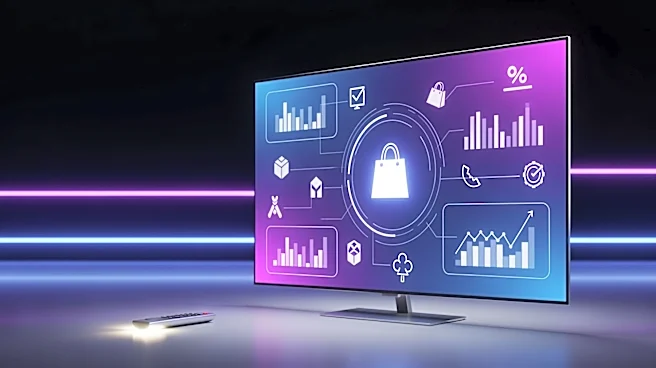
Streaming platforms are increasingly incorporating interactive features that allow viewers to transition from watching content to shopping in real time, effectively turning television into a measurable
commerce channel. According to a report by Circana, 75% of U.S. households now subscribe to ad-supported streaming services, which has expanded TV's role from a one-way engagement tool to a two-way interaction platform. This shift enables advertisers to engage audiences more effectively, with connected TV reportedly driving a higher return on ad spend compared to traditional linear TV. The report highlights that this evolution in TV viewing habits is reshaping how brands approach marketing, with a focus on interactive and data-driven strategies that enhance consumer engagement and facilitate immediate transactions.
Why It's Important?
The transformation of TV into an interactive commerce channel represents a significant shift in advertising strategies, offering brands a more dynamic and measurable way to reach consumers. This development is crucial for advertisers seeking to maximize their marketing investments, as connected TV provides a higher return on ad spend than traditional TV formats. The ability to engage consumers in real-time and facilitate immediate purchases could lead to increased sales and brand loyalty. Additionally, the integration of commerce into TV viewing aligns with the preferences of younger audiences, who are driving retail sales growth and prefer interactive and relevant content. This trend underscores the importance for brands to adapt to changing consumer behaviors and leverage new technologies to maintain competitive advantage.
What's Next?
As TV continues to evolve into a commerce-enabled platform, brands may need to integrate their TV production and e-commerce strategies to capitalize on this opportunity. This could involve closer collaboration between marketing, production, and sales teams to create content that serves both as entertainment and a point-of-purchase. The ongoing development of interactive TV features may also lead to more sophisticated measurement tools, allowing advertisers to better track consumer engagement and optimize their campaigns. As the market adapts, brands that successfully navigate this transition and embrace interactive TV as a core component of their marketing strategy are likely to see enhanced consumer engagement and improved sales outcomes.
Beyond the Headlines
The shift towards interactive TV commerce also raises questions about consumer privacy and data security, as the collection and analysis of viewer data become more integral to advertising strategies. Brands will need to ensure that they handle consumer data responsibly and transparently to maintain trust. Additionally, the increasing convergence of TV and digital content may blur the lines between traditional media and online platforms, challenging existing regulatory frameworks and prompting discussions about the future of media regulation. As TV becomes more interactive, the industry may also see a rise in innovative content formats and storytelling techniques that leverage the unique capabilities of connected TV to engage audiences in new ways.