





What's Happening?
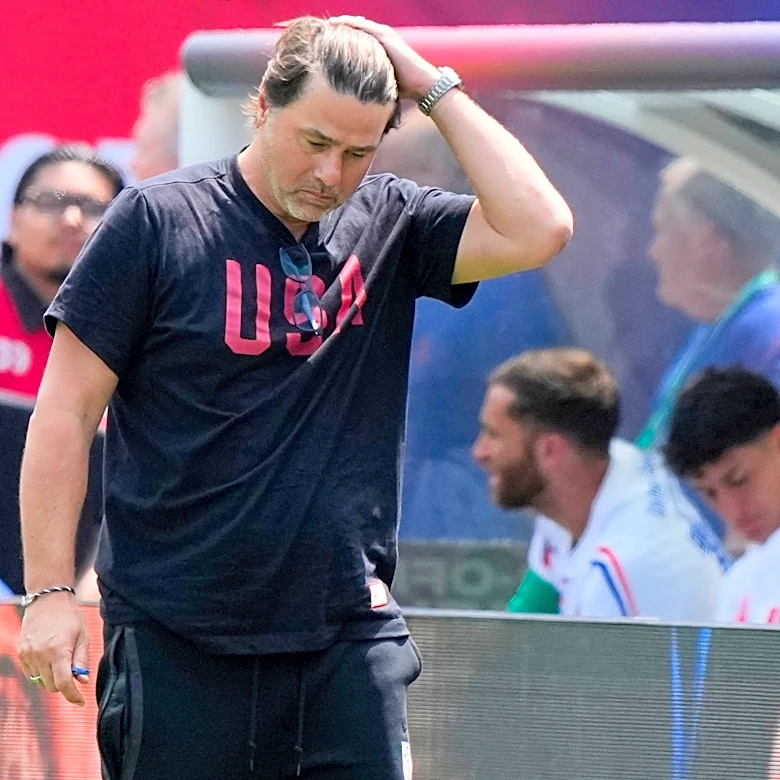
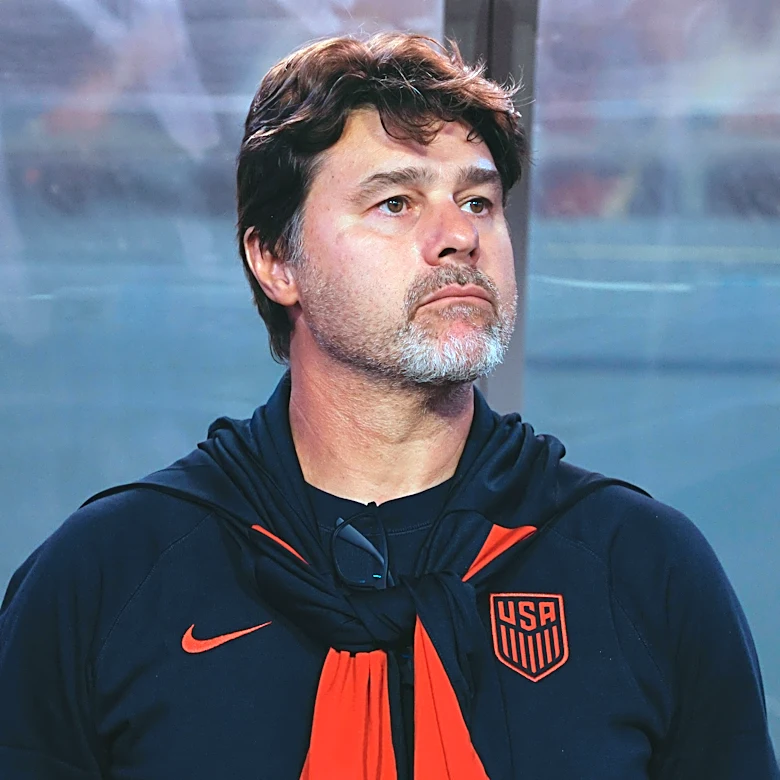
The 2026 FIFA World Cup is set to be a landmark event with 48 nations participating in 104 games, including four teams making their debut. The United States, as one of the host nations, is looking to end a 24-year drought of not winning a knockout game.
The tournament will feature a newly introduced round of 32, providing the USMNT with a fresh opportunity to advance further than in previous years. The group stage predictions suggest a competitive environment, with the US expected to top their group, which includes Turkiye, Paraguay, and Australia. The tournament's expansion has introduced new dynamics, with third-placed teams also having a chance to advance, adding complexity to the knockout stages.
Why It's Important?
The 2026 World Cup is significant for the United States as it provides a platform to showcase the growth of soccer in the country. Hosting the tournament offers economic benefits, including tourism and global exposure. For the USMNT, advancing past the knockout stage would mark a significant achievement, reflecting the development of soccer talent and infrastructure in the U.S. The expanded format also highlights FIFA's efforts to make the World Cup more inclusive, allowing more nations to participate and potentially increasing the global fan base. Success in the tournament could further boost soccer's popularity in the U.S., influencing youth participation and investment in the sport.
What's Next?
As the tournament approaches, teams will finalize their preparations, with the USMNT focusing on leveraging home advantage. The expanded format means more matches and logistical challenges, requiring efficient planning from the host cities. Stakeholders, including sponsors and broadcasters, will be keenly observing the tournament's impact on viewership and engagement. The performance of the USMNT will be closely watched, with potential implications for future investments in soccer development programs. The tournament's success could influence FIFA's decisions on future World Cup formats and hosting strategies.