
What's Happening?
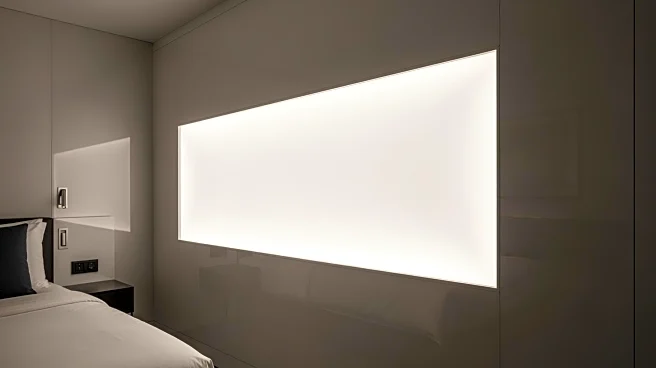
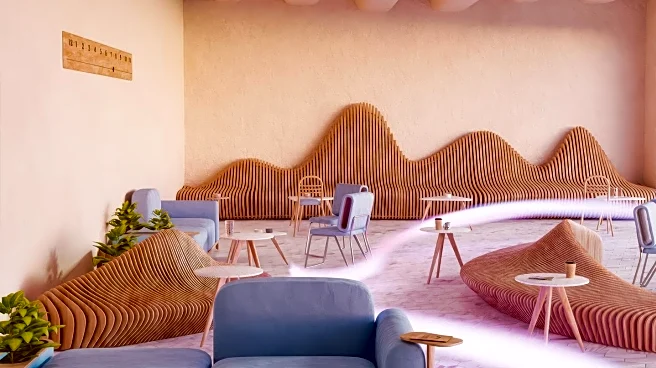
Wimberly Interiors has unveiled its 2026 hospitality design trends, emphasizing a shift from visual spectacle to emotional resonance. The firm highlights a move towards authenticity, warmth, and resilience
in hotel design, focusing on creating spaces that feel human and tactile. The trends prioritize multisensory experiences, hyper-localization, holistic wellness, material honesty, and the rise of green as a dominant color palette. These design elements aim to create environments that are not only aesthetically pleasing but also emotionally engaging, offering guests a sense of belonging and comfort. The approach involves integrating regional materials and cultural storytelling into the design, moving away from a global generic aesthetic. This trend reflects a broader industry shift towards creating spaces that are both familiar and experiential, enhancing the overall guest experience.
Why It's Important?
The 2026 design trends outlined by Wimberly Interiors are significant as they reflect a broader shift in the hospitality industry towards creating more personalized and emotionally engaging guest experiences. By focusing on authenticity and emotional resonance, hotels can differentiate themselves in a competitive market, appealing to travelers who value cultural depth and meaningful connections. This approach not only enhances guest satisfaction but also supports sustainability goals by incorporating local materials and craftsmanship. The emphasis on holistic wellness and material honesty aligns with growing consumer demand for environmentally responsible and health-conscious travel options. As hotels adopt these trends, they can strengthen their brand identity and foster loyalty among guests seeking unique and memorable experiences.
What's Next?
As these design trends gain traction, hotels are likely to continue investing in creating spaces that prioritize emotional engagement and cultural authenticity. This may involve collaborations with local artists and artisans to incorporate regional elements into the design, as well as adopting sustainable practices that align with the growing emphasis on environmental responsibility. The focus on holistic wellness could lead to further integration of biophilic design elements and wellness-oriented features into hotel architecture. As the industry evolves, hotels that successfully implement these trends may see increased guest satisfaction and loyalty, positioning themselves as leaders in the hospitality sector.
Beyond the Headlines
The shift towards authenticity and emotional resonance in hospitality design has deeper implications for the industry. It challenges traditional notions of luxury, moving away from opulence and spectacle towards spaces that offer comfort and connection. This trend also highlights the importance of storytelling in design, as hotels seek to create narratives that resonate with guests on a personal level. By embracing local culture and materials, hotels can contribute to the preservation of regional heritage and support local economies. Additionally, the focus on material honesty and resilience reflects a growing awareness of the environmental impact of design choices, encouraging more sustainable practices in the industry.