


What's Happening?
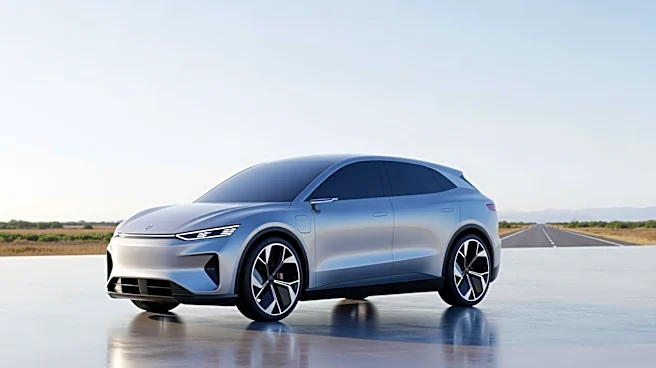
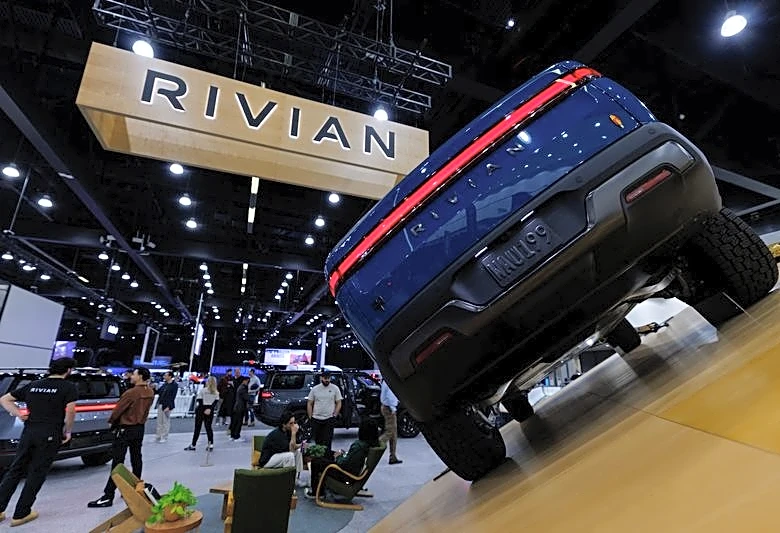
Rivian has announced that it will start delivering its new R2 SUV models to customers beginning June 9. The company has been preparing for this launch by scaling up production capacity over the past few months. The R2 model is designed to be more affordable
than Rivian's current R1 line, with an initial price just under $60,000. Rivian plans to release a 'standard' version in 2027 starting at $48,490, and an even more affordable option around $45,000 by the end of next year. CEO RJ Scaringe has emphasized the importance of the R2 model, describing it as the most significant project the company has launched to date. Rivian aims to deliver up to 25,000 vehicles by the end of the year, with hopes that the R2 and its hatchback sibling, the R3, will help the company achieve its first profit since its founding in 2009.
Why It's Important?
The launch of the R2 SUV is a critical step for Rivian as it seeks to expand its market presence and compete with established electric vehicle manufacturers like Tesla. By offering a more affordable model, Rivian is targeting a broader customer base, which could significantly increase its market share. Achieving profitability is a major milestone for the company, which has been operating at a loss since its inception. The success of the R2 and R3 models could solidify Rivian's position in the competitive electric vehicle market and drive future growth. This development also reflects the growing demand for electric vehicles and the industry's shift towards more sustainable transportation options.
What's Next?
Rivian's focus will likely be on ramping up production to meet its delivery targets and ensuring a smooth rollout of the R2 model. The company will need to manage supply chain challenges and maintain quality standards to satisfy customer expectations. Additionally, Rivian's ability to deliver on its promise of more affordable models will be crucial in maintaining consumer interest and achieving its sales goals. The company's performance in the coming months will be closely watched by investors and industry analysts as an indicator of its long-term viability and competitiveness in the electric vehicle market.