

What's Happening?
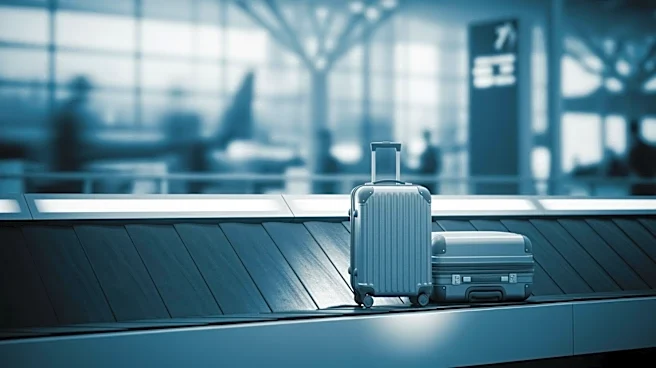
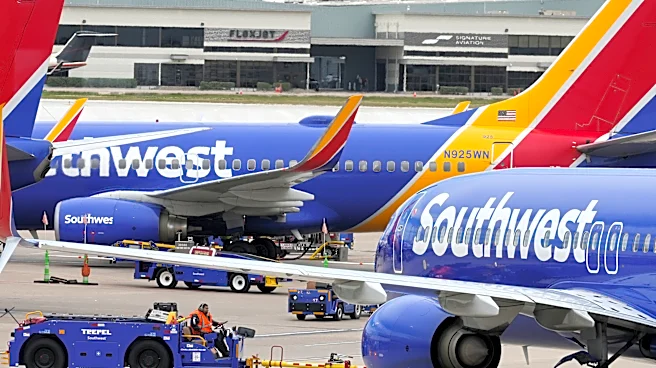
Several major airlines, including JetBlue, United, Delta, Southwest, and American Airlines, have announced increases in checked baggage fees. The fee hikes vary by airline and are influenced by factors such as route, travel dates, and fare class. For
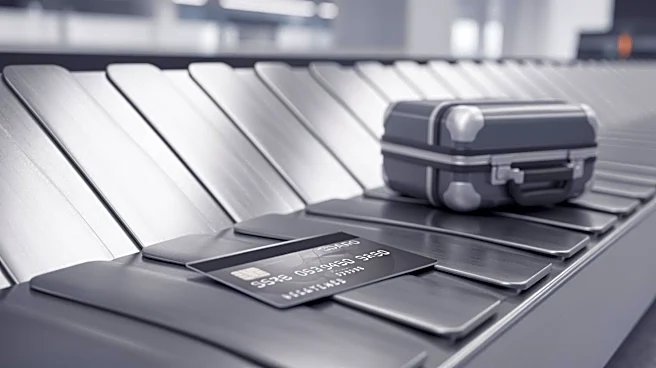
instance, JetBlue has raised its fees by $4 to $9 per bag, while United has increased fees by $10 for the first and second bags and $50 for a third bag. Delta and American Airlines have also implemented similar increases. To mitigate these costs, airlines offer credit card options that provide free checked bags as a benefit. For example, the JetBlue Plus Card and the United Explorer Card offer free checked bags for cardholders and their companions, with varying annual fees and benefits.
Why It's Important?
The increase in checked baggage fees reflects a broader trend in the airline industry to generate additional revenue through ancillary fees. This shift can significantly impact travelers, especially those who frequently fly with checked luggage. The availability of credit cards that offer free checked bags can provide financial relief to travelers, making these cards an attractive option for frequent flyers. However, the annual fees associated with these cards may offset the savings for infrequent travelers. The changes also highlight the competitive nature of the airline industry, as airlines seek to balance profitability with customer satisfaction.
What's Next?
Travelers can expect continued adjustments in airline fee structures as companies respond to market demands and operational costs. Airlines may introduce new incentives or modify existing programs to retain customer loyalty. Additionally, consumers may increasingly turn to credit cards with travel benefits to offset rising travel costs. The ongoing evolution of airline pricing strategies will likely influence consumer behavior and the competitive landscape of the airline industry.