
What's Happening?
As the 2026 FIFA World Cup approaches, fans planning to attend matches at MetLife Stadium are facing significant transportation challenges. The cost of transit options has become a major concern, with
round-trip NJ Transit train tickets priced at $150 and shuttle buses at $80. Parking at the nearby American Dream mall is limited and could cost double the train fare. In response to these high costs, some fans have discussed walking to the stadium along I-95, prompting the New York City Department of Transportation (NYC DOT) to issue a statement. The agency, in collaboration with the MTA and New Jersey state officials, is working to ensure safe and efficient transportation options for fans, strongly discouraging walking along highways outside designated pedestrian zones.
Why It's Important?
The transportation issues surrounding the World Cup highlight broader challenges in managing large-scale events in urban areas. The high costs and limited options could deter fans from attending, impacting local businesses and the overall success of the event. The situation underscores the need for improved infrastructure and planning to accommodate large crowds, particularly in regions with existing transit limitations. The NYC DOT's involvement reflects the importance of ensuring public safety and accessibility, while also addressing the economic implications for the region. The outcome of these efforts could set a precedent for future events, influencing how cities prepare for and manage international gatherings.
What's Next?
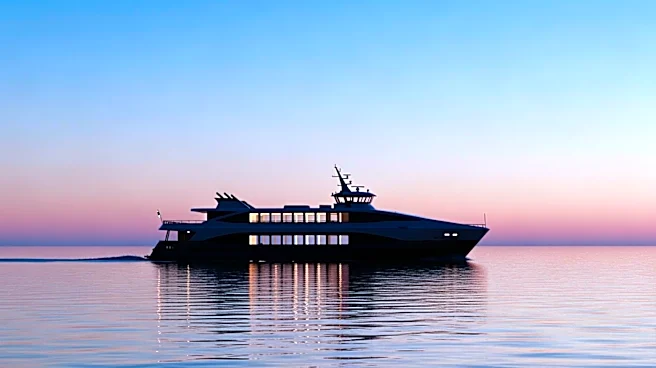
Efforts to address the transportation challenges are ongoing, with lawmakers advocating for a ferry service from West Harlem as a potential solution. However, the feasibility of implementing such a service before the World Cup remains uncertain due to financial and logistical hurdles. As the event draws closer, stakeholders will need to finalize plans to accommodate the influx of visitors. The NYC DOT and its partners will likely continue to explore alternative solutions to mitigate the impact of high transit costs and ensure a positive experience for fans. The success of these efforts could influence future transportation planning for major events in the region.