


What's Happening?
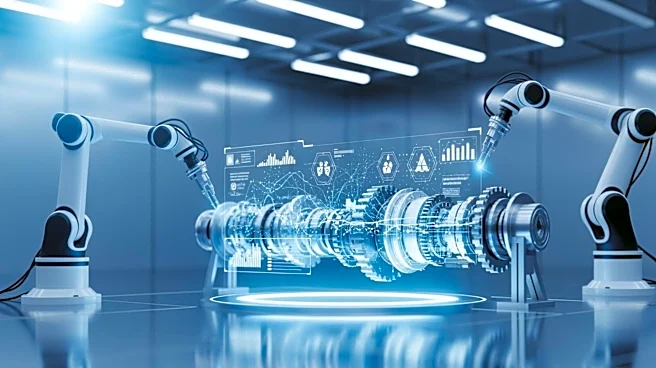
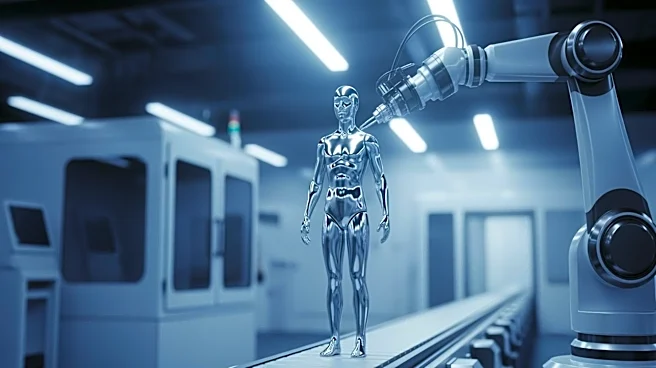
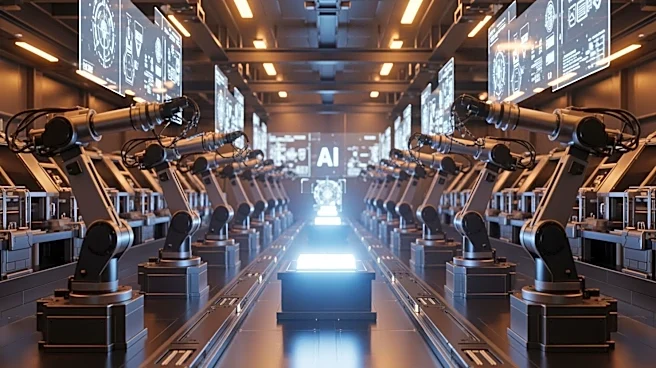
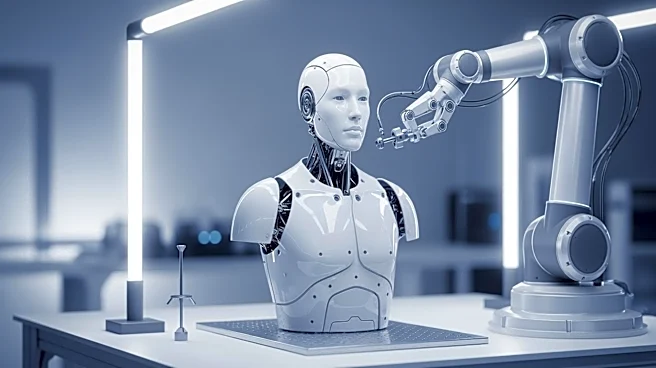
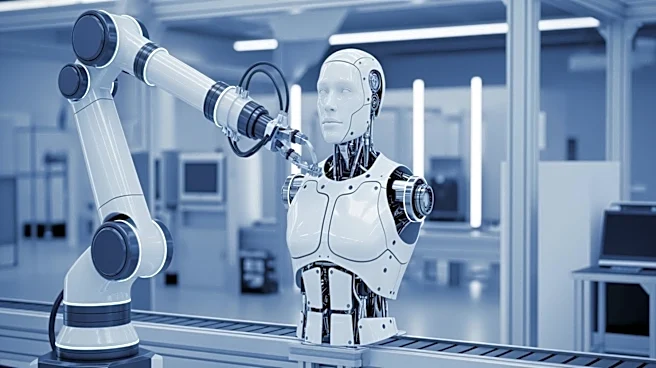
The evolution of smart factories is marked by the integration of Physical AI, which enables machines to perceive and reason, moving beyond traditional automation that relies on repetitive tasks. This shift is transforming manufacturing environments into
highly integrated systems of sensors and specialized machines. While the concept of a fully autonomous 'lights-out' factory remains largely theoretical, human workers are transitioning into roles as system overseers. They are responsible for training models, monitoring edge cases, and making critical decisions that require human judgment. The development of Vision-Language-Action models allows robots to interpret natural language commands and perform complex tasks, although these systems are still in their early stages and can be prone to errors.
Why It's Important?
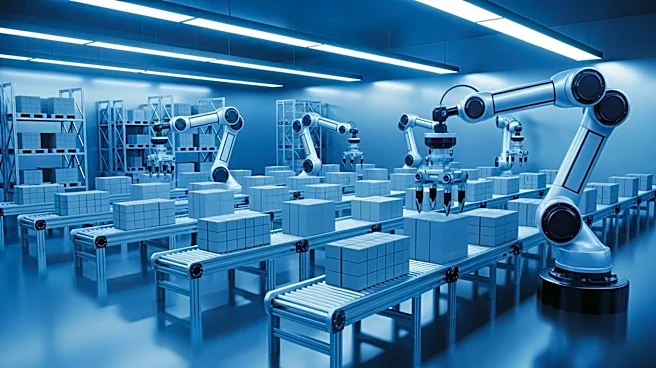
The integration of Physical AI in manufacturing has significant implications for the industry, potentially increasing efficiency and reducing human error. However, the transition also presents challenges, such as the 'robotic island' problem, where isolated high-tech solutions can create bottlenecks in production lines. The shift requires a rethinking of factory layouts to accommodate both human and robotic workers, ensuring safety and efficiency. This evolution could lead to increased productivity and competitiveness in the manufacturing sector, but it also necessitates investment in new technologies and training for workers to adapt to their new roles.
What's Next?
As smart factories continue to develop, companies will need to address the integration challenges posed by new technologies. This includes redesigning factory floors to optimize the collaboration between humans and machines and investing in training programs to equip workers with the skills needed for their new roles. The ongoing development of AI models will likely lead to more sophisticated and reliable systems, further enhancing the capabilities of smart factories. Stakeholders in the manufacturing industry, including policymakers and business leaders, will need to consider the economic and social impacts of these changes, such as potential job displacement and the need for regulatory frameworks to ensure safety and ethical use of AI technologies.
Beyond the Headlines
The rise of smart factories highlights broader ethical and cultural considerations, such as the balance between automation and human labor. While automation can lead to increased efficiency, it also raises questions about job security and the future role of human workers in manufacturing. Additionally, the reliance on AI systems necessitates discussions about data privacy and the ethical use of technology in industrial settings. As these technologies become more prevalent, there will be a need for ongoing dialogue about their impact on society and the economy.