


What's Happening?
Culinary experts are emphasizing the importance of selecting the right cooking oil to improve meal quality and avoid unnecessary expenses. Different oils have varying smoke points and flavor profiles, which can significantly impact the taste and texture
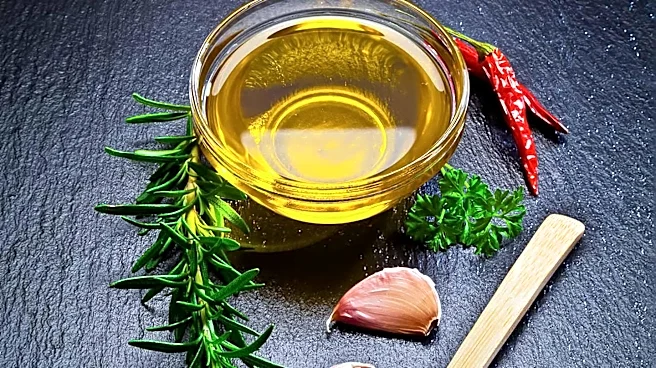
of dishes. High smoke point oils like canola, avocado, and grapeseed are recommended for high-heat cooking methods such as frying and searing. In contrast, oils with lower smoke points, such as olive oil, are better suited for dressings, slow cooking, and sautéing, where their rich flavors can enhance the dish without burning. The article also highlights the versatility of olive oil, which can be used in various culinary applications depending on its type and flavor profile.
Why It's Important?
Understanding the appropriate use of cooking oils is crucial for both home cooks and professional chefs to maximize flavor and maintain the nutritional value of meals. Using the wrong oil can lead to burnt flavors and wasted ingredients, affecting both the taste and cost-effectiveness of cooking. This knowledge is particularly valuable in the U.S., where diverse culinary practices and a wide range of available oils can make choosing the right one challenging. By selecting oils based on their smoke points and flavor profiles, cooks can enhance their dishes' quality and ensure a better dining experience.
What's Next?
As awareness of the importance of choosing the right cooking oil grows, consumers may become more discerning in their purchases, potentially influencing market trends and demand for specific types of oils. Culinary education programs and cooking classes might increasingly incorporate lessons on oil selection to equip aspiring chefs with the knowledge needed to optimize their cooking techniques. Additionally, the food industry could see a rise in the production and marketing of specialty oils that cater to specific cooking needs and flavor preferences.
Beyond the Headlines
The emphasis on selecting the right cooking oil also touches on broader themes of sustainability and health. As consumers become more informed, there may be a shift towards oils that are not only suitable for cooking but also produced sustainably and offer health benefits. This could lead to increased interest in oils like avocado and olive, which are often associated with healthful properties. Furthermore, the culinary world might see a growing trend of experimenting with oil infusions and blends to create unique flavor profiles, enhancing the creativity and diversity of modern cuisine.