





What's Happening?
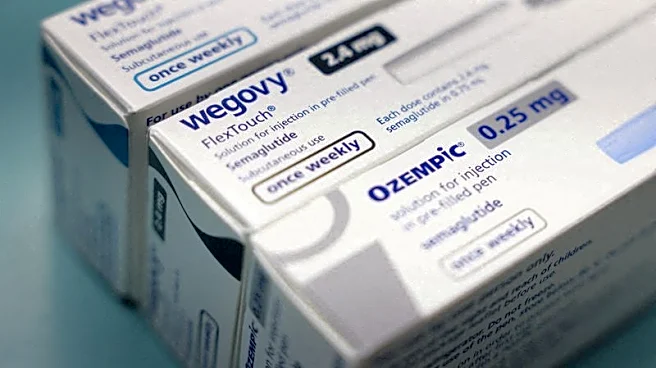
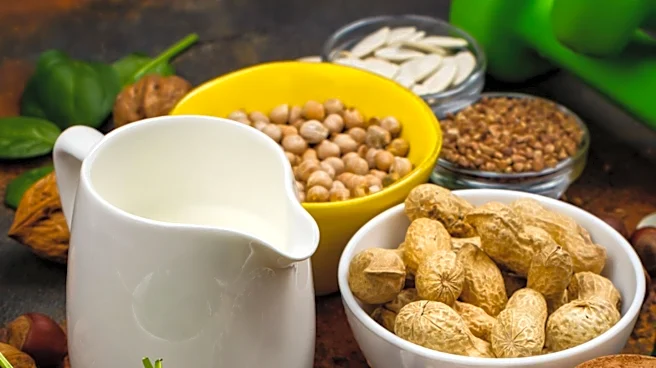
Recent discussions have emerged around the potential of certain foods to mimic the effects of GLP-1 medications, which are used to regulate blood sugar and promote weight loss. Dr. David Ahn, an endocrinologist, explains that while the body naturally
produces GLP-1, a hormone that helps regulate appetite and digestion, the effects of foods that trigger GLP-1 production are short-lived. In contrast, GLP-1 medications like Ozempic and Wegovy are engineered to have a prolonged effect, lasting days to weeks. These medications are designed to stabilize blood sugar and promote weight loss more effectively than dietary changes alone. While some foods can influence feelings of fullness, they do not replicate the sustained impact of GLP-1 medications.
Why It's Important?
The interest in using foods to mimic GLP-1 medications highlights a broader trend of seeking natural alternatives to pharmaceuticals. This reflects a growing public interest in managing health through diet and lifestyle changes. However, the medical community emphasizes that while dietary changes can support weight management, they are not a substitute for the potent effects of GLP-1 medications. This distinction is crucial for individuals considering dietary changes as a primary strategy for weight loss or blood sugar management. Understanding the limitations of food-based approaches can help individuals make informed decisions about their health strategies.
What's Next?
As the conversation around natural alternatives to GLP-1 medications continues, further research may explore the potential of specific foods to support weight management and blood sugar regulation. Healthcare providers may also focus on educating patients about the realistic outcomes of dietary changes compared to pharmaceutical interventions. This ongoing dialogue could influence future dietary guidelines and public health recommendations, emphasizing a balanced approach that combines diet, lifestyle, and medication when necessary.
Beyond the Headlines
The discussion around foods mimicking GLP-1 medications also touches on broader issues of health misinformation, particularly on social media platforms where oversimplified claims can spread rapidly. This underscores the importance of consulting healthcare professionals for personalized medical advice and highlights the need for critical evaluation of health information encountered online.