





What's Happening?
The grid casting machine market is projected to experience significant growth by 2035, driven by the increasing demand for aluminum and the modernization of infrastructure. According to a report by IndexBox, the market is entering a transformative decade
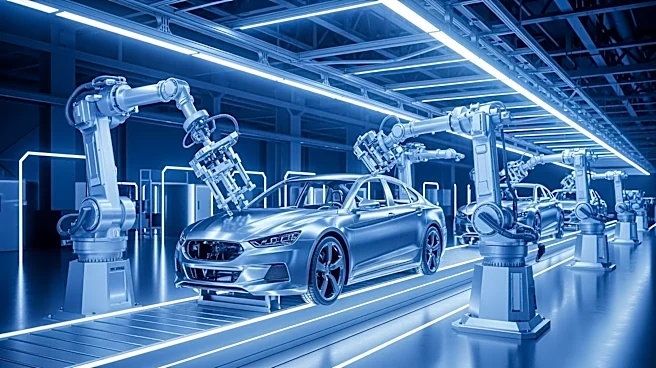
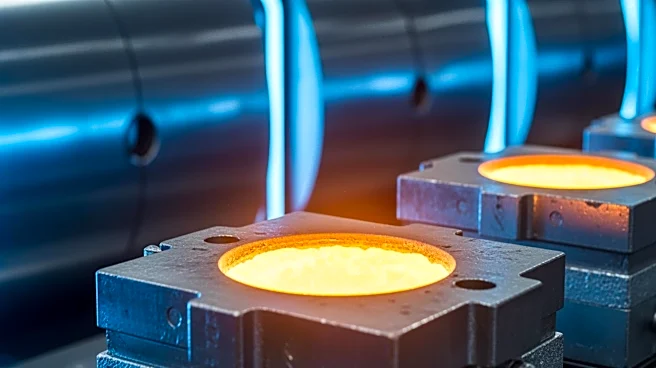
influenced by industrial decarbonization and the demand for lightweight, high-conductivity metal components. Grid casting machines are essential for producing metal grids and structures, serving primary metal producers, foundries, and recycling plants. The market is bifurcating into high-volume segments for large-scale aluminum and steel producers and premium segments focused on automation and energy efficiency. The demand is fueled by sectors such as automotive, construction, electrical, and aerospace, which are evolving towards sustainability and operational efficiency. The market is expected to grow at a compound annual growth rate of approximately 4.8% from 2026 to 2035, with significant investments in continuous casting technologies that improve yield and reduce energy consumption.
Why It's Important?
The growth of the grid casting machine market is crucial for several U.S. industries, particularly automotive and aerospace, which rely heavily on aluminum for lightweighting and efficiency. The modernization of electrical grids and the shift towards electric vehicles are driving demand for copper and alloy grids, impacting the energy and transportation sectors. The market's expansion supports the U.S. economy by fostering innovation in casting technologies, enhancing energy efficiency, and reducing carbon footprints. As industries move towards sustainable practices, the demand for advanced casting machines that can handle recycled materials and offer operational efficiency is increasing. This growth also presents opportunities for U.S. manufacturers to invest in technology-intensive segments, potentially leading to job creation and economic development.
What's Next?
The grid casting machine market is expected to continue its expansion, with significant investments in infrastructure and renewable energy transmission. The demand for aluminum and copper components will rise as electric vehicles become more prevalent, necessitating advancements in casting technologies. U.S. manufacturers may focus on developing automated, digitally integrated machines to meet the evolving needs of industries. Additionally, geopolitical tensions and trade disruptions could impact cross-border equipment sales, prompting manufacturers to explore domestic production capabilities. The market's growth trajectory will likely be influenced by regulatory changes, environmental standards, and technological innovations.
Beyond the Headlines
The grid casting machine market's growth has deeper implications for environmental sustainability and resource management. As industries prioritize energy efficiency and carbon reduction, the adoption of continuous casting technologies over traditional methods will become more prevalent. This shift supports global efforts to combat climate change by reducing energy consumption and promoting the use of recycled materials. The market's evolution also highlights the importance of technological advancements in manufacturing, as digital integration and automation become key drivers of efficiency and productivity. These developments may lead to long-term shifts in manufacturing practices, emphasizing sustainability and innovation.