



What's Happening?
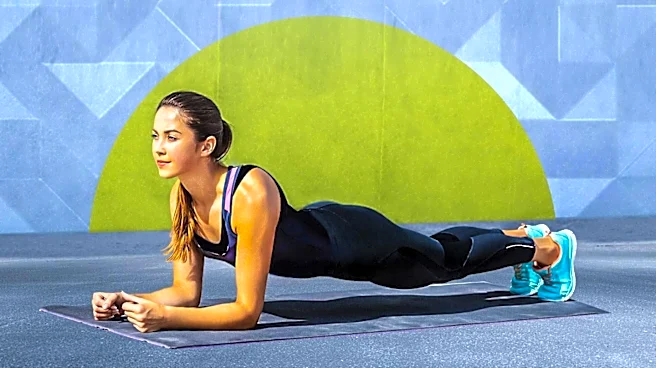
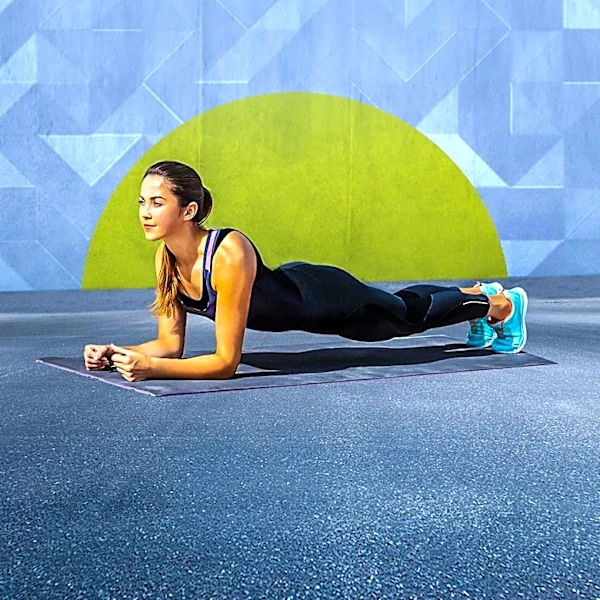
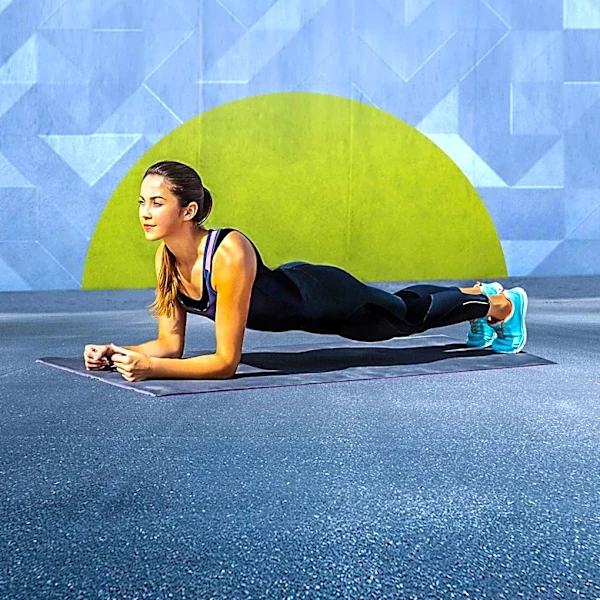
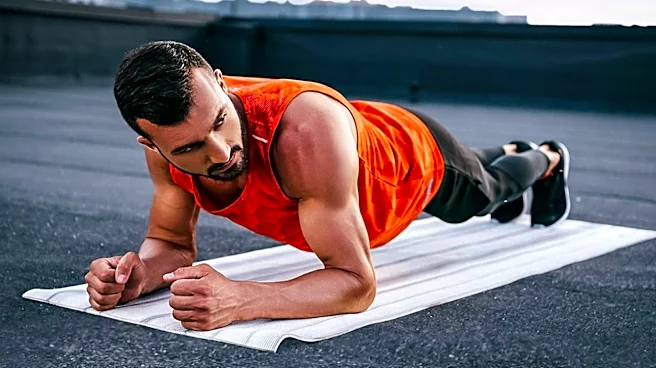
Pilates, a fitness regimen known for its low-impact exercises, is gaining traction as a popular alternative to high-intensity workouts. Originating from the early 20th century, Pilates was developed by Joseph Pilates and has evolved to include both mat
and reformer-based exercises. The method is praised for its ability to improve flexibility, core strength, and mental well-being. Recent studies have shown that Pilates can alleviate chronic back pain and reduce symptoms of depression and anxiety. Fitness experts highlight its benefits as a complementary practice to other forms of exercise, offering a balanced approach to physical health.
Why It's Important?
The growing interest in Pilates reflects a broader shift towards wellness and holistic health practices. As more individuals seek sustainable and enjoyable fitness routines, Pilates offers a solution that caters to diverse needs, from rehabilitation to athletic conditioning. Its emphasis on controlled movements and mindfulness aligns with current trends in mental health awareness, making it an attractive option for those looking to enhance both physical and mental well-being. The rise of Pilates also indicates a potential market expansion for fitness studios and instructors specializing in this discipline.
Beyond the Headlines
The resurgence of Pilates highlights the evolving landscape of the fitness industry, where traditional high-impact workouts are being complemented by practices that prioritize longevity and injury prevention. This trend may influence the development of new fitness programs and the integration of Pilates principles into other exercise modalities. Additionally, the accessibility of mat-based Pilates allows for home practice, making it a viable option for those with limited access to fitness facilities.