



What's Happening?
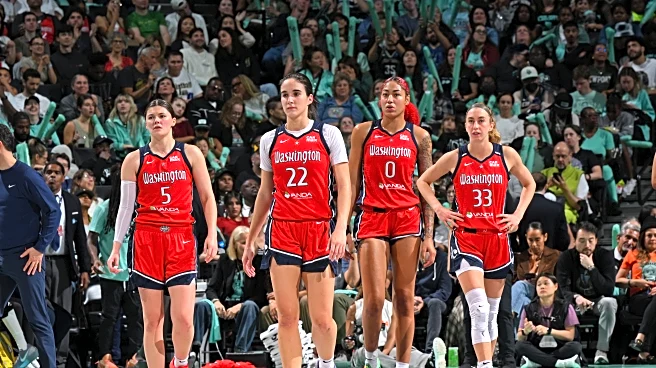
The Women's National Basketball Association (WNBA) and the Women's National Basketball Players Association (WNBPA) have reached a tentative agreement on a new seven-year Collective Bargaining Agreement (CBA) set to begin in 2026 and run through 2032.
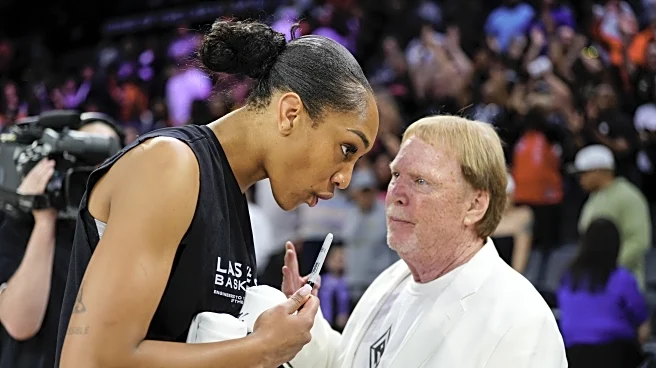
A notable feature of this agreement is a 'pregnancy clause' that requires teams to obtain player consent before trading a pregnant player. This clause was introduced following past issues, such as the case involving Las Vegas Aces player Dearica Hamby, who was traded while pregnant and alleged that the team questioned her commitment. The league's investigation into the matter resulted in penalties for the Aces, including a suspension for head coach Becky Hammon and the loss of a draft pick. The new CBA also includes significant salary increases and enhanced benefits for players.
Why It's Important?
The inclusion of the 'pregnancy clause' in the WNBA's new CBA highlights the league's commitment to addressing player welfare and ensuring fair treatment. This move is significant as it sets a precedent for how professional sports leagues can accommodate and protect female athletes, particularly in matters related to pregnancy and family planning. The clause aims to prevent situations like the one experienced by Dearica Hamby, promoting a more supportive environment for players. Additionally, the agreement's salary increases and improved benefits reflect the league's efforts to enhance the professional and personal lives of its athletes, potentially influencing other sports organizations to adopt similar measures.
What's Next?
The new CBA is pending ratification by the players and approval from the league's Board of Governors. Once ratified, the agreement will take effect in 2026, providing a framework for the next seven years. The introduction of the 'pregnancy clause' may prompt other sports leagues to consider similar provisions, potentially leading to broader changes in how female athletes are supported across different sports. Stakeholders, including players, teams, and league officials, will likely monitor the implementation of these new policies to ensure they effectively address the issues they are designed to solve.
Beyond the Headlines
The WNBA's decision to include a 'pregnancy clause' in its CBA could have long-term cultural implications, challenging traditional norms in professional sports regarding gender and family. This development may encourage more open discussions about the unique challenges faced by female athletes, fostering a more inclusive and equitable sports environment. Additionally, the clause could inspire other industries to reevaluate their policies on employee rights and family planning, potentially leading to broader societal shifts in how pregnancy and work are balanced.