
What's Happening?
CNBC's Jim Cramer has commented on the recent stock market rally, attributing it to the non-materialization of several anticipated negative scenarios. According to Cramer, the market has surged despite
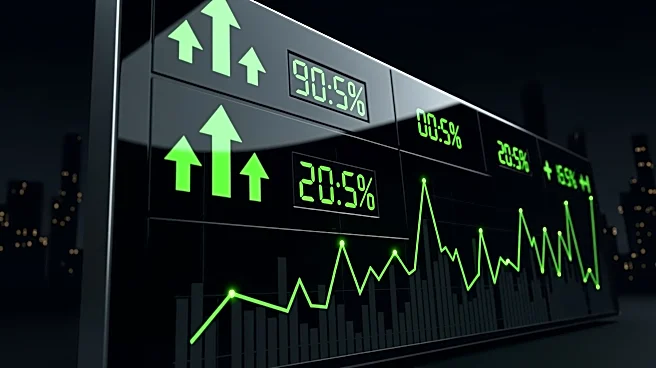
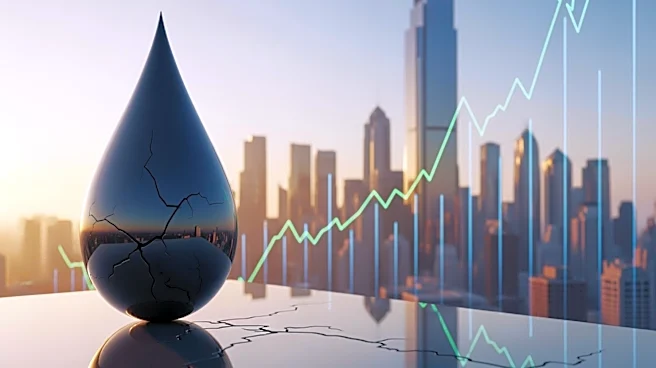
fears related to geopolitical tensions, private credit risks, and underperformance of major tech stocks. The Dow Jones Industrial Average, S&P 500, and Nasdaq have all seen significant gains, with the S&P 500 nearing its all-time high. Cramer noted that concerns over the Iran war, which were expected to drive oil prices and inflation up, did not materialize, allowing interest rates to remain stable. Additionally, fears about stress in private credit markets, particularly involving firms like Blue Owl Capital, have not led to the predicted systemic fallout. Major tech stocks, including Nvidia, Amazon, and Alphabet, have also rebounded despite earlier negative narratives.
Why It's Important?
The rally in the stock market underscores the importance of investor sentiment and the impact of fear-driven narratives. Cramer's analysis suggests that markets can often rise when anticipated negative events do not occur, highlighting the volatility and unpredictability of financial markets. This development is significant for investors who may have exited the market prematurely due to fear, missing out on potential gains. The stability in interest rates and the resilience of tech stocks are crucial for maintaining investor confidence and supporting economic growth. The situation also reflects the broader economic environment, where geopolitical and financial uncertainties can heavily influence market dynamics.
What's Next?
Cramer cautions that while the current rally is strong, it may be overextended in the short term. Investors are advised to remain disciplined and not be swayed by fear-driven narratives. The market's future trajectory will likely depend on the unfolding of geopolitical events and the performance of key sectors like technology and private credit. Stakeholders, including investors and financial analysts, will be closely monitoring these developments to adjust their strategies accordingly.