


What's Happening?
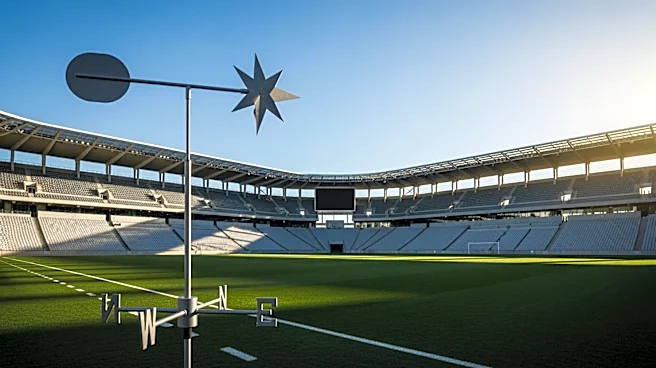
AT&T Stadium, temporarily renamed Dallas Stadium for the World Cup, is undergoing significant modifications to meet FIFA's requirements for natural grass fields. This transformation involves installing a grass surface grown in Colorado, supported by a new
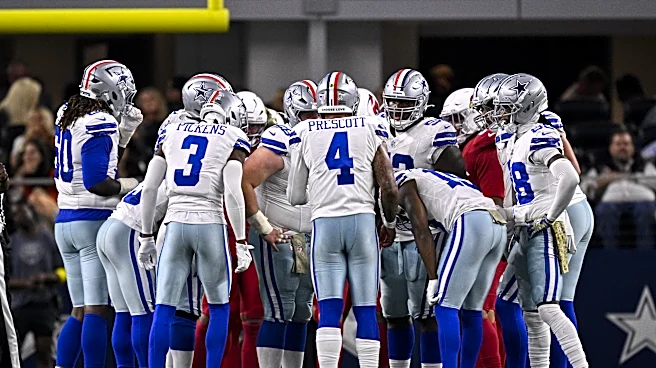
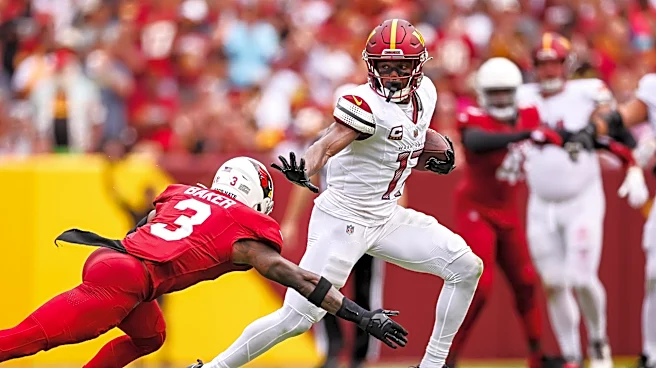
ventilation and irrigation system. The project demands 45,000 man-hours and 15,000 tons of material. Despite the extensive effort and cost, the grass will be removed after the World Cup, reverting to artificial turf, which is common in NFL stadiums. Dallas Cowboys receiver CeeDee Lamb has publicly advocated for permanent grass fields, highlighting a broader player preference for natural surfaces over artificial turf.
Why It's Important?
The installation of natural grass at Dallas Stadium underscores a growing debate within the NFL regarding playing surfaces. Many players, including CeeDee Lamb, argue that natural grass is safer and more comfortable, potentially reducing injury risks compared to artificial turf. The temporary installation for the World Cup highlights the feasibility of such a transition, albeit at a significant cost. This situation may influence future negotiations in the NFL's Collective Bargaining Agreement, as players could push for more natural grass fields. The decision also reflects the economic and logistical challenges stadiums face when balancing international event requirements with domestic sports needs.
What's Next?
Following the World Cup, the stadium will revert to artificial turf unless there is a significant push from players and stakeholders to maintain natural grass. The NFL Players Association may use this opportunity to advocate for changes in stadium policies regarding playing surfaces. Additionally, Cowboys owner Jerry Jones, known for his influence in the league, could play a pivotal role if he supports the players' preference for grass. The outcome of these discussions could set a precedent for other NFL stadiums, potentially leading to a broader shift towards natural playing surfaces.