







What's Happening?
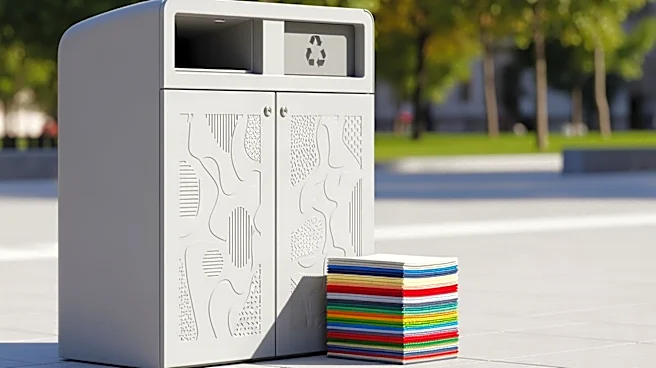
California is advancing its efforts towards a sustainable textile circularity system with the implementation of SB 707, which designates Landbell USA as the Producer Responsibility Organization (PRO). This initiative marks the first end-of-life policy
for textiles in the U.S., focusing on reducing textile waste through reuse and recycling. The policy aims to establish a robust collection infrastructure to support the state's circularity objectives. However, challenges remain, such as the need for alignment across government levels and addressing the declining quality of textiles, which affects the economics of collection and resale. The initiative also highlights the importance of transparency and the role of export markets in managing textile waste.
Why It's Important?
The implementation of SB 707 is significant as it sets a precedent for textile waste management in the U.S., potentially serving as a model for other states. By prioritizing reuse and establishing a comprehensive collection infrastructure, California aims to reduce the environmental impact of textile waste. This initiative could lead to increased economic opportunities in the recycling and reuse sectors, while also addressing global concerns about textile waste. The policy's success depends on effective collaboration between state and local governments and the development of markets for non-reusable textiles.
What's Next?
Looking ahead, California aims to achieve a system by 2030 where local ordinances support state circularity goals, and funding reflects the true cost of recovery. The state will need to address challenges such as inconsistent local regulations and the declining quality of textiles. Additionally, there is a need for upstream changes in the textile industry to improve the durability and reusability of products. The success of this initiative could influence national policies and encourage other states to adopt similar measures.