




What's Happening?
The U.S. Environmental Protection Agency (EPA) has announced a delay in the implementation of its Tier 4 emission standards for light- and medium-duty vehicles, pushing the phase-in to model year 2029. This decision has been positively received by the Alliance
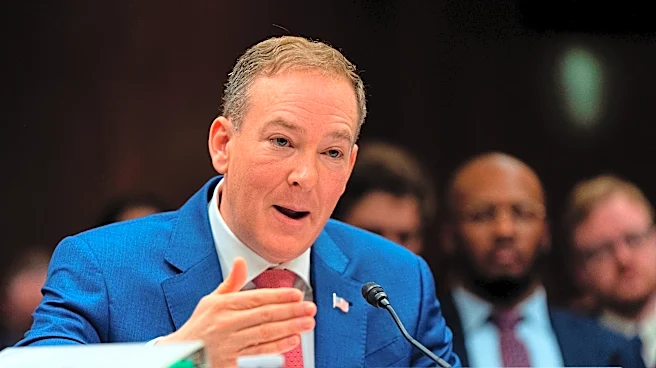
for Automotive Innovation, a major industry trade body representing a wide range of automakers, including domestic, Japanese, European, and Korean manufacturers. The Alliance has argued that the original standards, which were finalized under the previous U.S. administration, were unachievable without a significant increase in electric vehicle sales and would have led to higher costs for internal combustion vehicles. John Bozzella, President and CEO of the Alliance, praised the EPA's decision as a necessary step towards creating stable and achievable automotive standards that balance emission reductions with consumer choice and affordability.
Why It's Important?
The delay in implementing the Tier 4 emission standards is significant for the automotive industry as it provides more time for manufacturers to adapt to the new regulations without incurring excessive costs. This move is seen as a way to support the industry's transition towards more sustainable practices while maintaining economic stability. By postponing the standards, the EPA is allowing automakers to continue developing electric vehicles and other technologies at a pace that aligns with market conditions. This decision could potentially prevent a sharp increase in vehicle prices, thereby protecting consumer interests and maintaining market competitiveness. Additionally, it reflects a shift towards a more balanced regulatory approach that considers both environmental goals and economic realities.
What's Next?
With the delay in the Tier 4 standards, automakers are expected to continue lobbying for regulatory frameworks that support innovation and gradual transitions to cleaner technologies. The industry may focus on increasing investments in electric vehicle development and infrastructure to meet future emission targets. Policymakers and industry leaders will likely engage in ongoing discussions to ensure that future regulations are both environmentally effective and economically viable. The EPA's decision may also prompt other sectors to seek similar regulatory adjustments, potentially influencing broader policy trends in environmental regulation.