







What's Happening?
OpenAI is reportedly preparing to file for an initial public offering (IPO) in the coming weeks, with the assistance of Goldman Sachs and Morgan Stanley. This move comes as OpenAI aims to be the first major AI company to enter the public markets, amidst
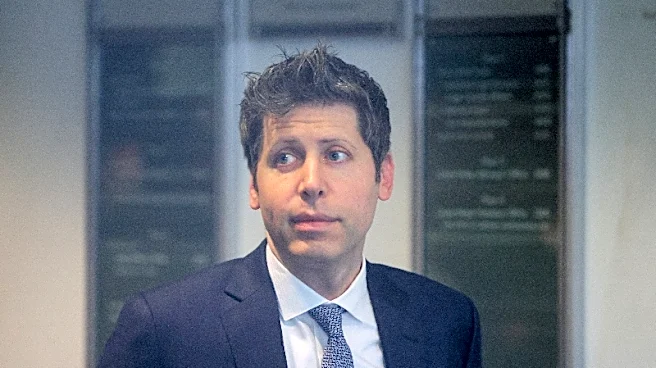
a competitive landscape with rivals like Anthropic. OpenAI's CEO, Sam Altman, is pushing for a faster public debut, despite internal disagreements on the timeline. The company's decision to go public is seen as a strategic move to capitalize on the growing interest in artificial intelligence technologies, particularly following the success of its ChatGPT model. However, OpenAI has faced challenges, including concerns over spending, missed revenue targets, and leadership changes, which have affected investor confidence.
Why It's Important?
The potential IPO of OpenAI is significant as it highlights the increasing importance of artificial intelligence companies in the tech industry. Going public could provide OpenAI with the necessary capital to expand its operations and maintain its competitive edge. The move also underscores the intense competition in the AI sector, with companies like Anthropic also vying for investor attention. OpenAI's IPO could set a precedent for other AI firms considering public offerings, influencing market dynamics and investor strategies. The outcome of this IPO could impact the valuation and future growth prospects of AI companies, shaping the industry's landscape.
What's Next?
If OpenAI successfully files for an IPO, it could lead to increased scrutiny from investors and analysts, eager to assess the company's financial health and growth potential. The IPO could also trigger a wave of similar moves by other AI companies, seeking to capitalize on the current market interest. Stakeholders will be watching closely to see how OpenAI navigates the public market, particularly in terms of addressing investor concerns and achieving its growth targets. The company's performance post-IPO could influence investment trends and the strategic decisions of other tech firms.