





What's Happening?
The transportation industry is undergoing significant changes as fleets diversify their powertrain options and adopt new technologies. According to the State of Sustainable Fleets report by TRC Companies, fleets are increasingly using renewable diesel,
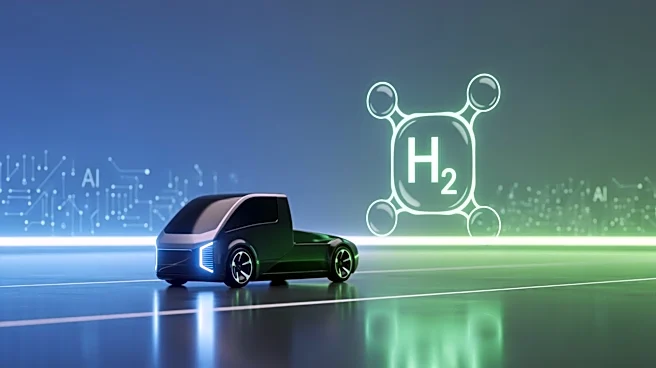
biodiesel, natural gas, propane, and electric vehicles to navigate regulatory and economic uncertainties. AI adoption is growing, with nearly half of fleet managers using AI for tasks like route planning and maintenance diagnostics. However, only 20% of fleets are fully AI-enabled. Hydrogen vehicle adoption remains limited due to high costs and infrastructure challenges, but research and development continue. The end of federal EV incentives has slowed electric vehicle adoption, though some segments, like yard tractors, show promising growth.
Why It's Important?
The shift towards sustainable fleets reflects broader trends in the transportation industry towards reducing emissions and improving efficiency. The adoption of alternative fuels and AI technologies can lead to significant cost savings and environmental benefits. However, the transition is challenged by infrastructure limitations and regulatory changes. The industry's ability to adapt to these changes will impact its competitiveness and sustainability. The report highlights the need for continued investment in infrastructure and technology to support the transition to cleaner and more efficient transportation solutions.
What's Next?
As fleets continue to explore alternative powertrains, the development of infrastructure for fuels like hydrogen and natural gas will be crucial. The industry may see increased collaboration between fleet operators and fuel providers to establish on-site fueling solutions. The role of AI in fleet management is expected to grow, potentially leading to further operational efficiencies. Policymakers and industry stakeholders will need to address regulatory and economic barriers to support the widespread adoption of sustainable technologies.