




What's Happening?
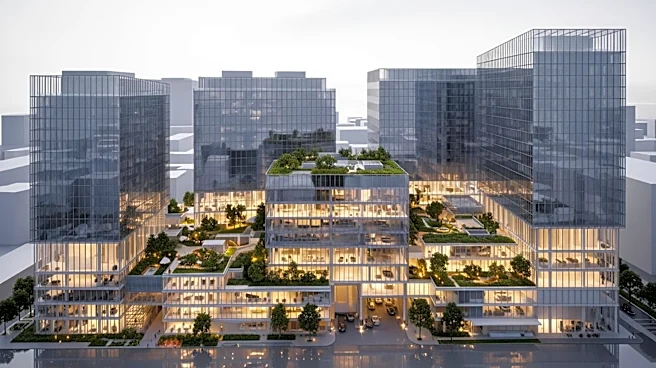
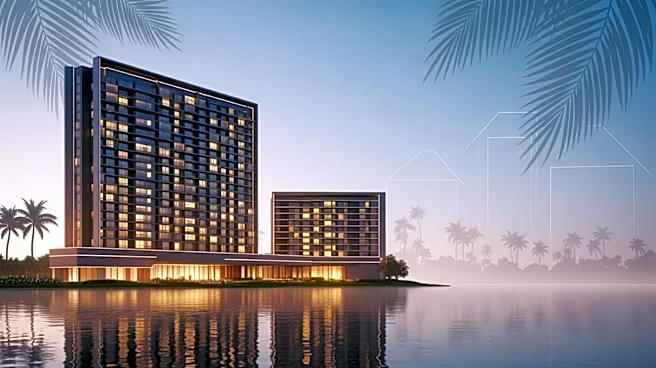
Mixed-use developments are increasingly becoming a defining factor in the success of hospitality assets, integrating hotels with residential, retail, and wellness components to create resilient revenue ecosystems. This trend is reshaping how hospitality assets are financed,
programmed, and experienced. The concept of mixed-use developments has evolved from a nice-to-have to a necessity, with hotels serving as the connective tissue within these ecosystems. The integration of various components such as retail, dining, fitness, and entertainment within a single network is reducing friction and maximizing convenience for users. The luxury segment is leading this shift, with high-end travelers expecting environments that are curated and deeply integrated into their lifestyle. Mixed-use developments offer greater resilience by diversifying revenue streams and activating space across multiple demand drivers.
Why It's Important?
The shift towards mixed-use developments in the hospitality industry is significant as it offers greater resilience and diversified revenue streams, which are crucial in the face of economic disruptions. By integrating various components, these developments cater to the evolving expectations of travelers who seek more than just accommodation. The luxury segment, in particular, benefits from this trend as it aligns with the experience-driven travel patterns of affluent consumers. Mixed-use environments support these expectations by surrounding guests with retail, wellness, residential, and culinary touchpoints. This approach not only enhances the guest experience but also amplifies the brand and drives traffic for the broader ecosystem. The trend is also reshaping hotel design, requiring intentional zoning and flexible layouts to accommodate multiple audiences simultaneously.
What's Next?
As mixed-use developments continue to gain traction, the hospitality industry is likely to see further integration of hotels with other components such as residential and retail. This trend will require developers to prioritize flexibility in design and operations to adapt to evolving consumer behaviors. The success of these projects will depend on early planning and the involvement of the right advisory team to navigate zoning, utilities, and municipal negotiations. The luxury segment will continue to lead the shift, with developers focusing on creating environments that are deeply integrated into the lifestyle of high-end travelers. The trend is also expected to expand beyond global gateway cities to secondary and tertiary markets, where mixed-use concepts can be more economically viable.