



What's Happening?
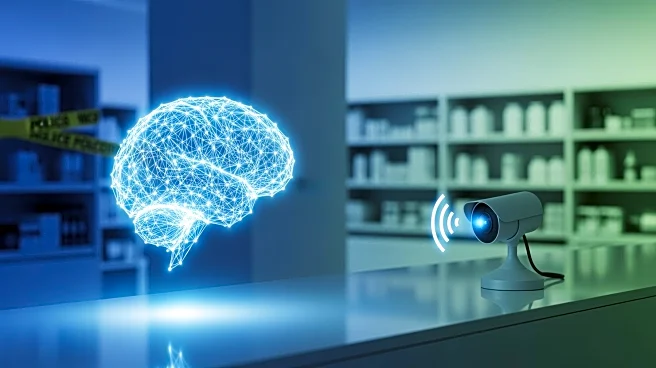
Recent research highlights the significant financial impact of workplace incidents in the U.S. retail sector, costing companies $50.87 billion annually. To address this, retail businesses are adopting comprehensive safety strategies that include AI-powered analytics, mental health integration, and preparation for OSHA's upcoming national heat safety rule. AI and wearable technology are being used to monitor and improve ergonomic practices, reducing the risk of musculoskeletal injuries. Mental health support is also emphasized, recognizing the unique stressors faced by retail workers. Additionally, the new OSHA heat safety rule, set to take effect in 2025, will require protective measures for workers in high-temperature environments.
Why It's Important?
The integration
of AI and mental health strategies in workplace safety programs represents a significant shift towards proactive risk management in the retail industry. By leveraging technology to predict and prevent injuries, companies can reduce injury rates and insurance costs while fostering a safer work environment. The focus on mental health acknowledges the critical role of psychological well-being in overall workplace safety. The upcoming OSHA heat safety rule further underscores the importance of regulatory compliance in protecting workers from environmental hazards. These developments could lead to industry-wide changes in safety practices, influencing how retail companies manage employee health and safety.
What's Next?
As retail companies implement these safety strategies, they may experience improved employee satisfaction and retention, as well as enhanced operational efficiency. The phased adoption of AI technologies will likely continue, with companies demonstrating measurable improvements to secure buy-in from stakeholders. The enforcement of OSHA's heat safety rule will require businesses to assess and adjust their operations to comply with new standards, potentially leading to innovations in workplace design and environmental monitoring. These efforts may set a precedent for other industries, encouraging broader adoption of integrated safety approaches.