


What's Happening?
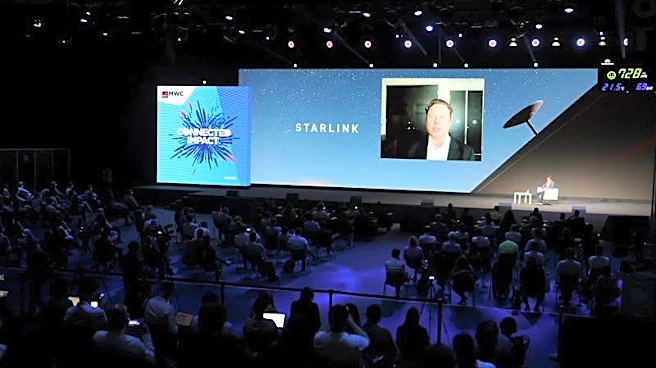
The SatShow 2026, a significant event in the satellite industry, focused on the major trends and challenges facing the sector. Key discussions revolved around the increasing geopolitical tensions and their impact on national security and sovereign control
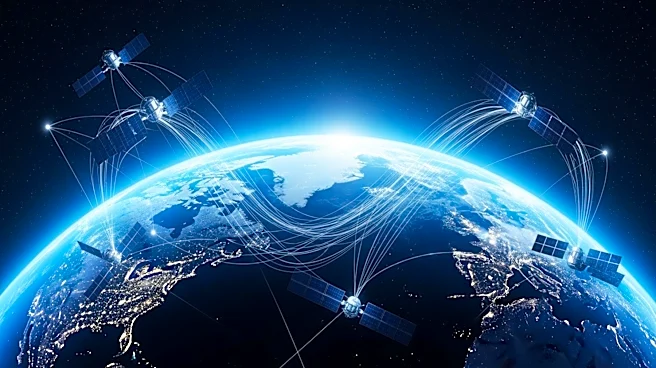
of satellite assets. The regulatory environment has become more complex due to these tensions, affecting global supply chains and increasing the risk of cyberattacks. Industry leaders from companies like SES, Viasat, and Telesat discussed how these challenges are prompting shifts in strategy and business models, with a focus on regionally-aligned supply chains. The event also highlighted the growing importance of direct-to-device (D2D) connectivity, with companies like Lynk Global and Omnispace announcing new constellations to enhance D2D services. Additionally, the emphasis on multi-orbit connectivity was noted as crucial for achieving optimal satellite communication.
Why It's Important?
The developments discussed at SatShow 2026 are crucial for the satellite industry as they address the pressing need for strategic adaptations in response to geopolitical pressures. The focus on sovereignty and security reflects broader global concerns that could influence policy and regulatory frameworks. The shift towards regionally-aligned supply chains, despite potential inefficiencies, highlights the industry's response to these challenges. The emphasis on D2D connectivity and multi-orbit strategies indicates a move towards more integrated and resilient communication networks, which could enhance global connectivity and offer new commercial opportunities. These changes could significantly impact U.S. satellite operators and technology companies involved in international collaborations.
What's Next?
The satellite industry is likely to see increased collaboration around open standards and interoperability to foster a multi-vendor ecosystem. This approach aims to counter aggressive competition from major players like SpaceX Starlink and Amazon Leo. The planned launches of new satellite constellations by companies like Lynk Global and SES will be closely watched, as they promise to enhance D2D services and multi-orbit connectivity. The industry's response to geopolitical challenges will continue to evolve, potentially influencing future regulatory and strategic decisions. Stakeholders will need to navigate these complexities to maintain competitiveness and security in the global market.