







What's Happening?
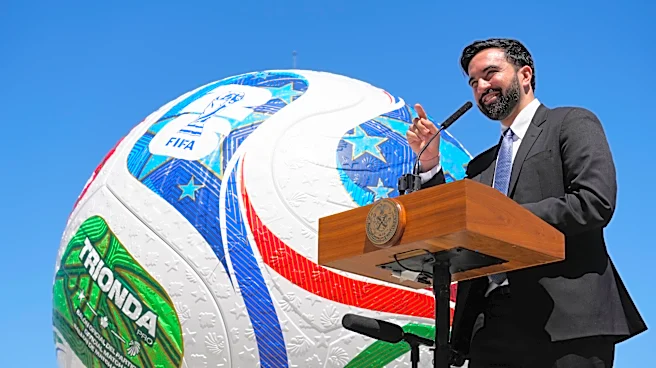
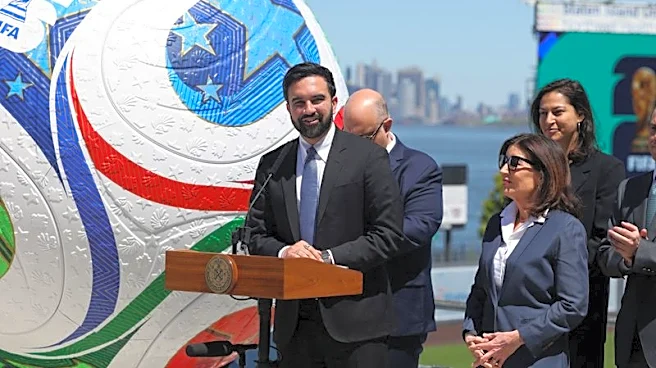
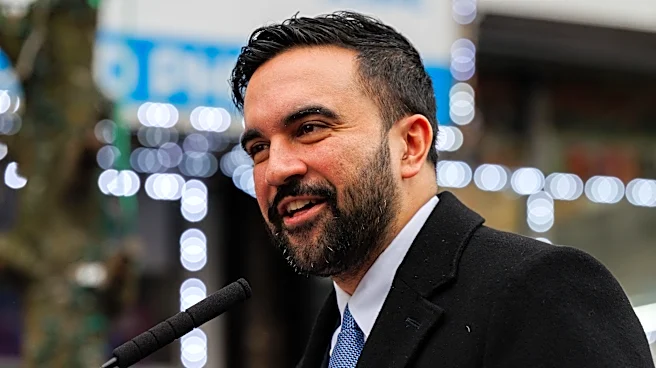
New York City Mayor Zohran Mamdani has announced a lottery system to provide affordable tickets to the FIFA World Cup for New York City residents. In collaboration with the New York/New Jersey Host Committee, the city has secured 1,000 tickets priced
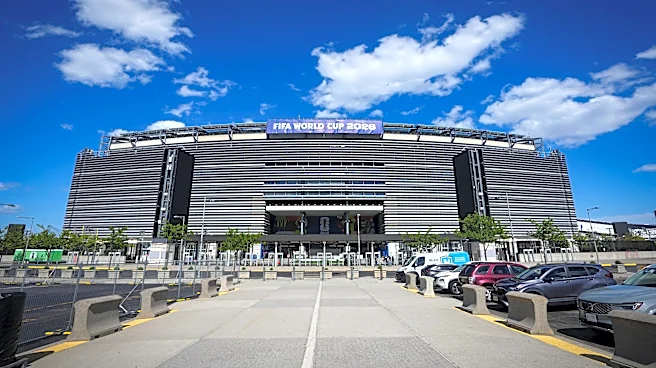
at $50 each. These tickets will also include free round-trip bus transportation to the matches. The initiative aims to make the World Cup accessible to working-class residents who might otherwise be unable to afford the high ticket prices. The lottery will open on Monday, allowing residents to enter once daily over six days, with a cap of 50,000 entries per day. The tickets will be distributed evenly across the city's five boroughs, and measures will be in place to verify eligibility and prevent scalping. Winners will be notified by email and will have 48 hours to purchase up to two tickets.
Why It's Important?
This initiative is significant as it addresses the financial barriers that often prevent lower-income residents from attending major sporting events. By offering affordable tickets, the city is promoting inclusivity and ensuring that a broader demographic can experience the World Cup. This move could enhance community engagement and foster a sense of unity among New Yorkers. Additionally, it highlights the city's commitment to making cultural and sporting events accessible to all, potentially setting a precedent for future events. The economic impact of the World Cup on the region is also noteworthy, as it is expected to boost local businesses and tourism.
What's Next?
The lottery will commence soon, and the city will focus on ensuring a fair and transparent process for ticket distribution. As the World Cup approaches, there may be further announcements regarding additional services, such as increased public transportation options, to accommodate the influx of fans. Stakeholders, including local businesses and community organizations, may also engage in related activities to capitalize on the event's economic and social opportunities. The success of this initiative could influence how future large-scale events are managed in terms of accessibility and community involvement.