


What's Happening?
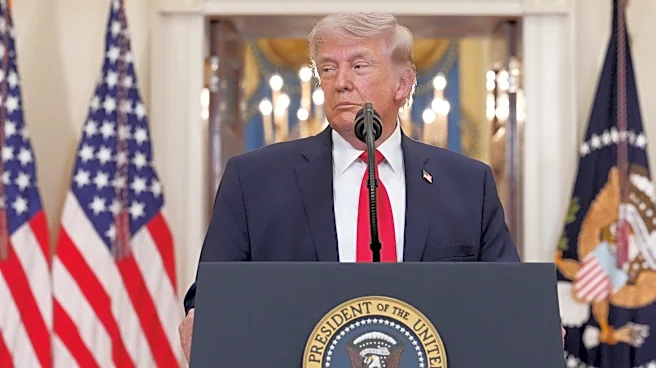
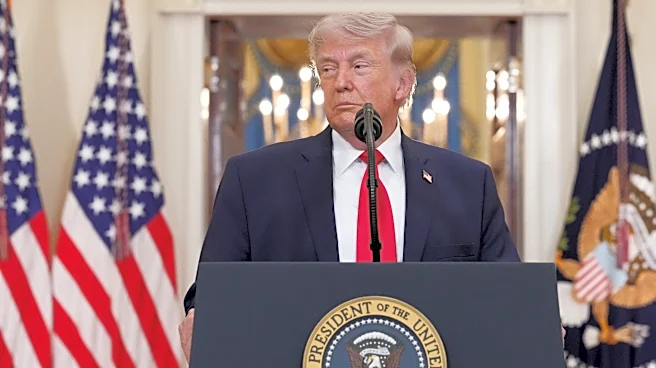
President Trump is expected to sign an executive order that will regulate Name, Image, and Likeness (NIL) collectives, limit player transfers, and set funding requirements for Olympic and women's sports. The order aims to address issues stemming from
antitrust violations within the NCAA, which have allowed universities to control labor costs. The order proposes allowing one transfer per player and a five-year eligibility period. It represents a significant effort to reform college sports, though questions remain about its enforceability, as Congress typically legislates such matters.
Why It's Important?
This executive order could reshape the college sports landscape by addressing long-standing issues related to athlete compensation and mobility. By regulating NIL collectives and transfer rules, the order seeks to create a more equitable system for student-athletes. The focus on funding for Olympic and women's sports highlights the administration's commitment to preserving diverse athletic opportunities. However, the order's enforceability is uncertain, as it may face legal challenges and requires congressional support to implement lasting changes.
What's Next?
The executive order may prompt legal challenges from universities and athletes, questioning its authority and impact on existing NCAA regulations. Congress may need to intervene to provide a legislative framework for these reforms. The order could also lead to increased advocacy from student-athletes seeking representation and rights within the collegiate sports system. As stakeholders navigate these changes, the future of college sports will likely involve ongoing negotiations and potential litigation.