





What's Happening?
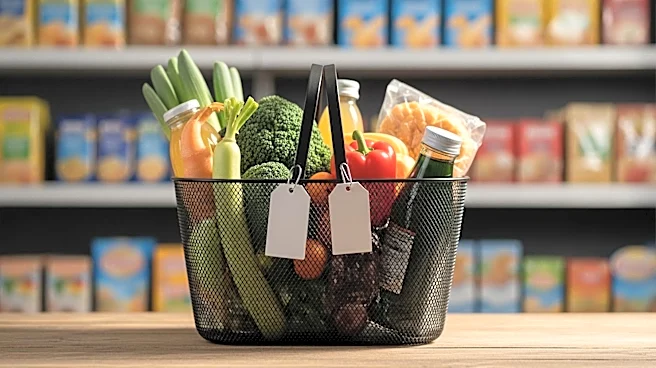
The plant-based meat industry, once experiencing rapid growth, is now facing significant challenges due to inflation and increased price sensitivity among consumers. As food prices have risen, consumers have become more cautious with their spending, impacting
the sales of plant-based meat products, which are typically priced higher than traditional meat. The industry's slowdown began as inflation accelerated in 2021, with plant-based meat sales stalling and eventually declining. Despite improvements in taste and nutritional benefits, the higher cost of plant-based meat remains a barrier for many consumers. The industry is urged to achieve price parity with animal-based meat to regain momentum.
Why It's Important?
The plant-based meat sector's struggles highlight the broader economic pressures affecting consumer behavior. As inflation impacts household budgets, discretionary spending on premium products like plant-based meat is reduced. This situation underscores the importance of affordability in consumer decision-making, especially during economic downturns. The industry's ability to achieve price parity could significantly influence its future growth and sustainability. Success in this area could lead to increased adoption of plant-based diets, benefiting public health and environmental sustainability by reducing reliance on animal agriculture.
What's Next?
To overcome current challenges, the plant-based meat industry must focus on reducing production costs to achieve price parity with traditional meat. This may involve innovations in manufacturing processes and supply chain efficiencies. Additionally, the industry could benefit from increased consumer education on the health and environmental benefits of plant-based diets. As the market evolves, companies that can offer competitively priced, high-quality products are likely to capture a larger share of the growing demand for sustainable food options.