





What's Happening?
A recent article by Cori Ritchey, a fitness editor at Women's Health, addresses common reasons why individuals may struggle to see growth in their glute muscles despite rigorous training. Ritchey emphasizes the importance of exercise selection, noting
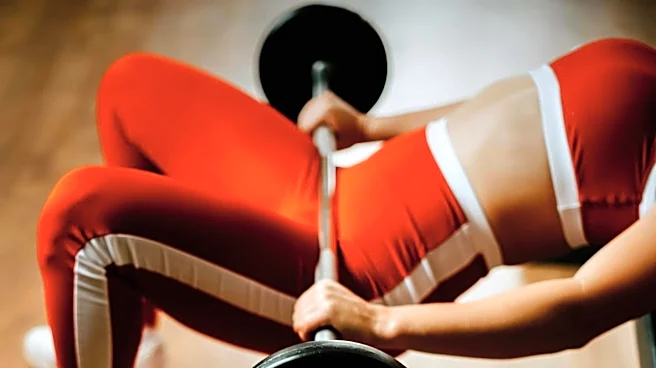
that exercises like barbell hip thrusts and Romanian deadlifts are more effective for glute growth compared to movements that are difficult to progressively overload, such as cable kickbacks. The article also highlights the necessity of training close to mechanical failure to stimulate muscle growth and the role of adequate nutrition, particularly protein intake, in supporting muscle development. Ritchey advises that muscle growth requires consistent effort and strategic planning, including eating enough calories to support new muscle mass.
Why It's Important?
Understanding the factors that contribute to effective muscle growth is crucial for fitness enthusiasts and professionals aiming to optimize their training regimens. The insights provided by Ritchey can help individuals avoid common pitfalls in their workout routines, such as focusing on exercises that do not effectively challenge the muscles. Additionally, the emphasis on nutrition underscores the interconnectedness of diet and exercise in achieving fitness goals. This information is particularly valuable for those seeking to improve their physical health and appearance, as it provides a science-backed approach to training that can lead to more efficient and sustainable results.
What's Next?
For individuals looking to enhance their glute development, the next steps involve reassessing their current workout routines to incorporate exercises that allow for progressive overload. This may include increasing weights or adjusting repetitions to ensure muscles are adequately challenged. Additionally, individuals should evaluate their dietary habits to ensure they are consuming sufficient protein and calories to support muscle growth. Fitness professionals may also consider integrating these insights into their training programs to better assist clients in achieving their fitness objectives.
Beyond the Headlines
The discussion around effective glute training also touches on broader themes of body image and fitness culture. The pursuit of specific body aesthetics, such as well-defined glutes, reflects societal standards and personal goals that can influence individuals' approach to fitness. This highlights the importance of promoting a balanced perspective on health and fitness, where the focus is on overall well-being rather than solely on physical appearance. Additionally, the emphasis on patience and consistency in training serves as a reminder that sustainable fitness results are achieved over time, rather than through quick fixes.