


What's Happening?
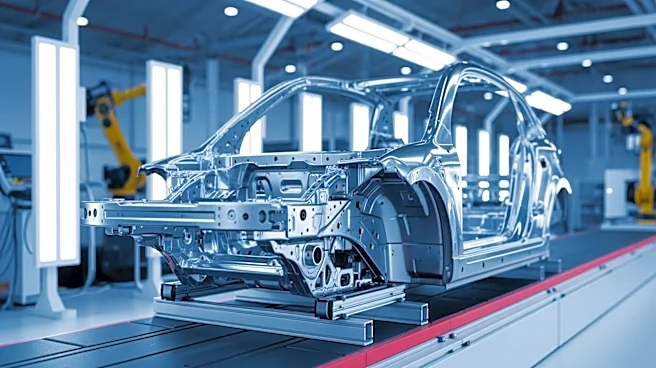
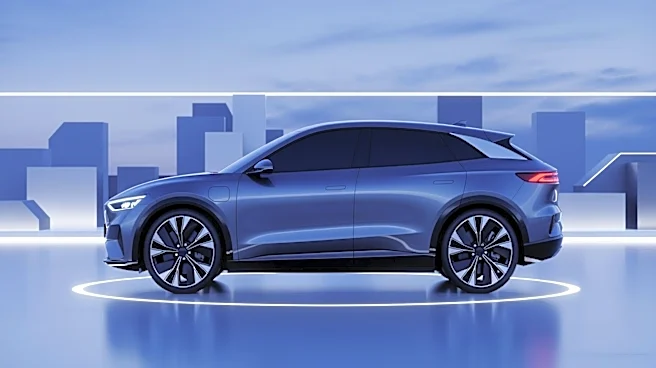
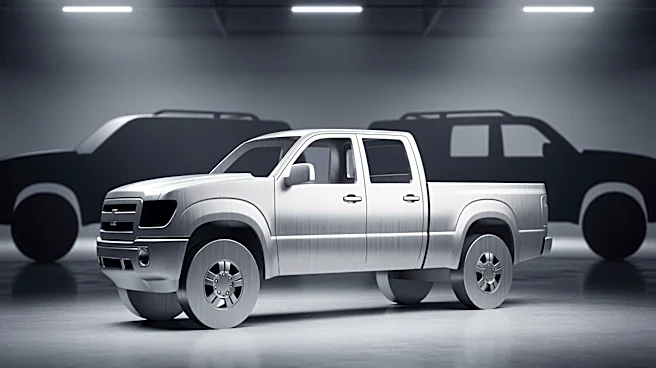
Nissan has announced a significant shift in its production strategy in the United States, opting to manufacture internal combustion engine (ICE) trucks and SUVs instead of electric vehicles (EVs) as previously planned. The company will produce the Xterra
SUV and an updated version of the Frontier pickup truck at its Mississippi factory. This decision marks a departure from Nissan's earlier commitment to invest $500 million in the plant to produce two EV models. The change in strategy was communicated to suppliers via email, citing 'market conditions, customer demand, and Nissan’s updated strategic direction' as reasons for the shift. This move comes amid a broader global trend towards electric vehicles, which Nissan is now bucking in the U.S. market.
Why It's Important?
Nissan's decision to focus on ICE vehicles in the U.S. could have significant implications for the automotive industry and environmental policy. This shift may affect the U.S. market's transition to electric vehicles, potentially slowing down the adoption of cleaner technologies. It also reflects a response to current market demands and strategic priorities, which may prioritize profitability over environmental considerations. The decision could influence other automakers' strategies and impact the U.S. automotive workforce, particularly in regions dependent on traditional vehicle manufacturing. Additionally, this move may affect consumer choices and the availability of affordable EV options in the U.S., potentially hindering efforts to reduce carbon emissions from the transportation sector.
What's Next?
Nissan's strategic pivot may prompt reactions from various stakeholders, including environmental groups, policymakers, and competitors. There could be increased pressure on Nissan to align with global trends towards electrification, especially as other automakers continue to expand their EV offerings. Policymakers might also respond by adjusting incentives or regulations to encourage EV production and adoption. For consumers, this decision may limit the availability of Nissan EVs in the U.S., potentially influencing purchasing decisions. The automotive industry will likely monitor Nissan's performance closely to assess the viability of ICE vehicles in a market increasingly focused on sustainability.