





What's Happening?
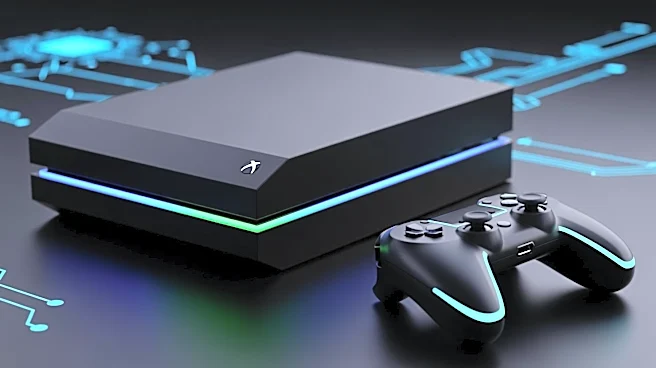
Xbox has announced plans to reveal more about its next-generation console, codenamed Project Helix, later this year. This announcement was made during the first Xbox Game Dev Update show, which highlighted several strategic changes under the leadership
of the new Xbox boss, Asha Sharma. The show detailed enhancements in developer tools and the Xbox Marketplace, aiming to streamline game development and improve consumer experiences. Notably, Project Helix will support both Xbox and PC games, with alpha versions expected to be available to developers in 2027. The update also introduced improvements in Xbox's developer onboarding program, allowing studios to ship games more efficiently across various devices. Additionally, the Xbox Marketplace has seen increased transactions due to the introduction of smartphone purchasing capabilities.
Why It's Important?
The developments announced by Xbox are significant for the gaming industry, particularly for developers and consumers. By enhancing developer tools and streamlining the game development process, Xbox is positioning itself as a more attractive platform for game studios, potentially leading to a broader range of games available to consumers. The focus on cross-device gameplay and improvements in the Xbox Marketplace could enhance user engagement and satisfaction, driving higher sales and revenue. These changes reflect Xbox's commitment to innovation and competitiveness in the gaming market, which could influence industry standards and consumer expectations.
What's Next?
As Xbox plans to reveal more about Project Helix later this year, the gaming community is likely to anticipate further details on the console's capabilities and release timeline. The potential unveiling of Project Helix at major industry events like Gamescom or The Game Awards could generate significant attention and excitement. Additionally, the ongoing improvements in developer tools and the Xbox Marketplace suggest that Xbox will continue to focus on enhancing its ecosystem, potentially leading to more partnerships with game developers and increased consumer engagement.