








What's Happening?
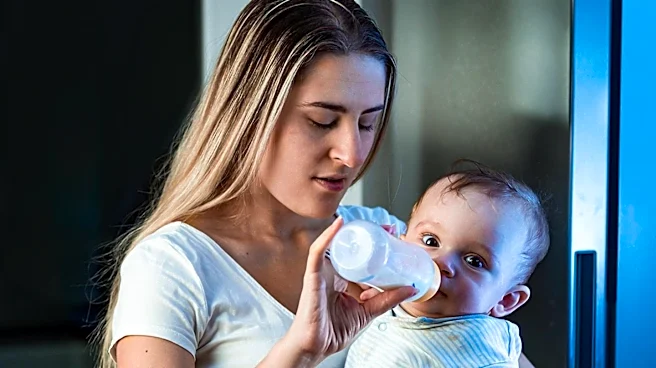
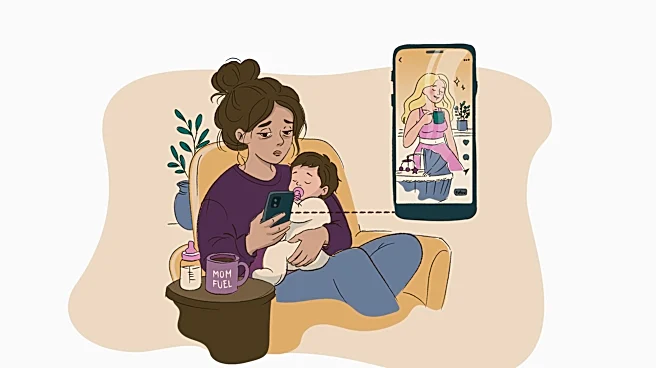
Parenting today is perceived as more challenging due to the influence of social media and the pressure to meet unrealistic standards. Parents like Kristin Gallant and Kanika Chadda-Gupta express feelings of inadequacy when comparing themselves to idealized
portrayals online. The constant influx of advice and opinions, coupled with the pressure to provide the best for their children, contributes to a sense of overwhelm. Experts like Reshma Saujani highlight how social media exacerbates these feelings, creating a 'bad mom con' where parents feel they are failing. Despite spending more time with their children than previous generations, parents struggle with guilt and the pressure to optimize every aspect of parenting.
Why It's Important?
The increasing pressure on parents has significant implications for mental health and family dynamics. The unrealistic standards set by social media can lead to stress and anxiety, affecting parents' well-being and their relationships with their children. This phenomenon also highlights broader societal issues, such as the lack of support systems for parents and the unrealistic expectations placed on mothers. Understanding these challenges is crucial for developing supportive policies and resources that address the mental health needs of parents and promote a more balanced approach to parenting.
Beyond the Headlines
The cultural shift towards intensive parenting reflects deeper societal changes, including the role of technology in daily life and the evolving expectations of gender roles. The pressure to conform to idealized parenting standards can perpetuate gender inequalities, as mothers often bear the brunt of these expectations. Addressing these issues requires a cultural shift towards valuing diverse parenting styles and recognizing the importance of community support. Encouraging open discussions about parenting challenges can help dismantle the 'perfect parent' myth and promote a more inclusive understanding of family life.