
What's Happening?
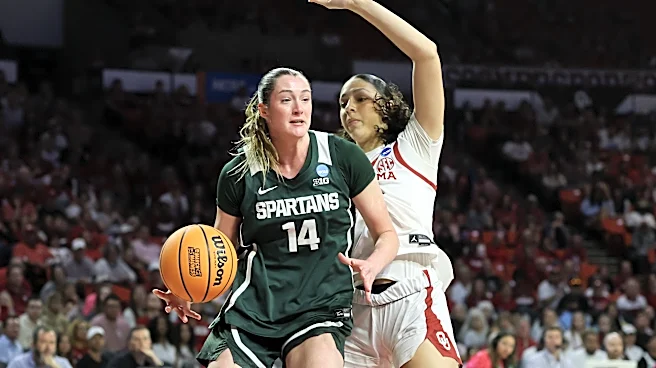
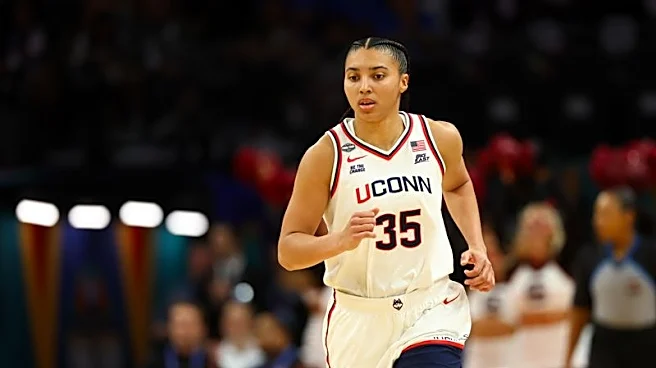
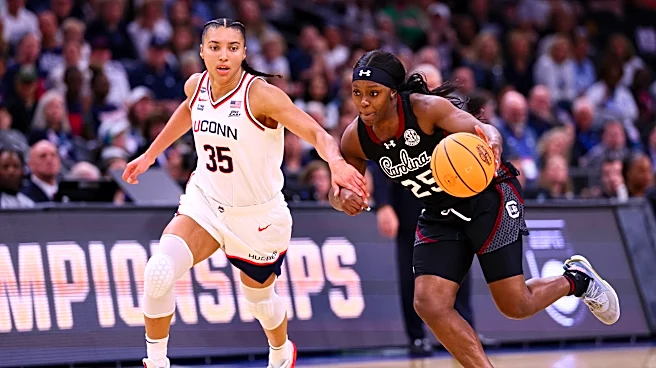
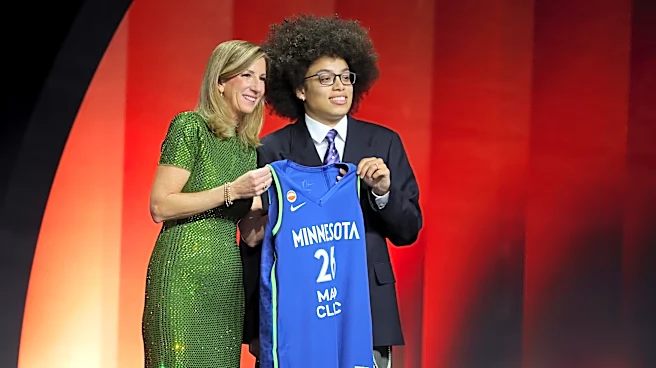
The 2026 WNBA draft has concluded, marking the league's 30th season with significant developments. Azzi Fudd was selected as the No. 1 pick by the Dallas Wings, followed by Olivia Miles to the Minnesota
Lynx, Awa Fam Thiam to the Seattle Storm, and Lauren Betts to the Washington Mystics. The draft featured unexpected trades, notably involving the Golden State Valkyries and Seattle Storm, which saw Flau'jae Johnson and Marta Suarez exchanged. The draft also set a record with six UCLA players selected, highlighting the university's strong presence in women's basketball. The draft's salary changes under the new collective bargaining agreement were notable, with rookie salaries significantly increased compared to previous years.
Why It's Important?
The draft's outcomes are crucial for shaping team rosters and strategies for the upcoming WNBA season. The increase in rookie salaries reflects the league's growth and commitment to improving player compensation, which could attract more talent to the WNBA. The trades and selections will impact team dynamics, with franchises like the Dallas Wings and Seattle Storm potentially gaining new strengths. The presence of multiple UCLA players in the draft underscores the importance of collegiate programs in developing future professional athletes. The draft also highlights the evolving nature of team-building strategies, with franchises focusing on versatile players who can contribute both offensively and defensively.
What's Next?
As teams prepare for the new season starting May 8, rookies will begin integrating into their respective teams, with training camps and preseason activities underway. The impact of the draft picks will become clearer as the season progresses, with teams adjusting their strategies based on player performances. The increased salaries may lead to further negotiations and adjustments in player contracts, influencing future drafts and free agency periods. Teams will also monitor the development of their new players, particularly those involved in trades, to assess their long-term contributions to the franchise.
Beyond the Headlines
The draft's salary changes could have broader implications for the league's financial structure, potentially influencing sponsorship deals and media coverage. The focus on versatile players may lead to shifts in training and development programs within teams, emphasizing multi-skilled athletes. The record number of UCLA players drafted may encourage other universities to invest more in their women's basketball programs, potentially increasing the talent pool for future drafts. The handling of trades, particularly the transparency issues, may prompt discussions on improving communication and decision-making processes during draft events.