






What's Happening?
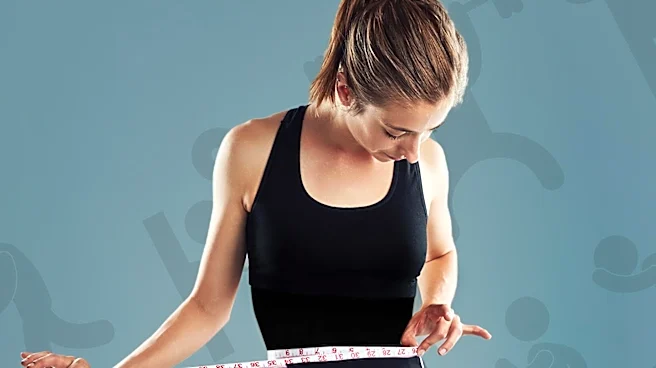
The cultural landscape around body image is undergoing a significant shift, moving from the body positivity movement to what some are calling 'skeletal chic.' This change is partly driven by the rise of GLP-1 weight-loss drugs like Ozempic, which have
made it easier for individuals to lose weight. However, this has led to new societal pressures where simply being slim is no longer sufficient, and extreme thinness is becoming the new standard. Celebrities such as Demi Moore, Kelly Osbourne, and Olivia Wilde have been noted for their increasingly gaunt appearances, sparking discussions about the unhealthy messages being sent. The body positivity movement, which promoted the idea of being 'healthy at any size,' is now being overshadowed by a trend that emphasizes extreme thinness, raising concerns about the potential health risks associated with this new ideal.
Why It's Important?
This shift in cultural norms around body image has significant implications for public health and societal standards of beauty. The pressure to achieve extreme thinness can lead to unhealthy behaviors and mental health issues, as individuals strive to meet unrealistic standards. The use of weight-loss drugs, while beneficial for some, can also contribute to these pressures, as they make it easier to achieve rapid weight loss. This trend could undermine the progress made by the body positivity movement, which sought to promote acceptance and health at all sizes. The emphasis on extreme thinness may also perpetuate body shaming and increase the prevalence of eating disorders, particularly among young people who look to celebrities as role models.
What's Next?
As this cultural shift continues, there may be increased scrutiny on the role of weight-loss drugs and their impact on societal standards of beauty. Public health campaigns and advocacy groups may need to address the potential negative effects of this trend and promote healthier, more inclusive standards of beauty. Additionally, there could be a push for more transparency from celebrities and influencers about their use of weight-loss drugs and other methods to achieve their physiques. This could lead to a broader conversation about the ethical responsibilities of public figures in shaping societal norms and the importance of promoting realistic and healthy body images.
Beyond the Headlines
The shift from body positivity to extreme thinness highlights deeper societal issues related to self-worth and the influence of media and celebrity culture. The pressure to conform to narrow beauty standards can have long-term psychological effects, contributing to a culture of comparison and inadequacy. This trend also raises questions about the role of the pharmaceutical industry in shaping societal norms and the ethical implications of promoting drugs that may contribute to unhealthy body ideals. As society grapples with these issues, there may be a growing movement to redefine beauty standards in a way that prioritizes health and well-being over appearance.