





What's Happening?
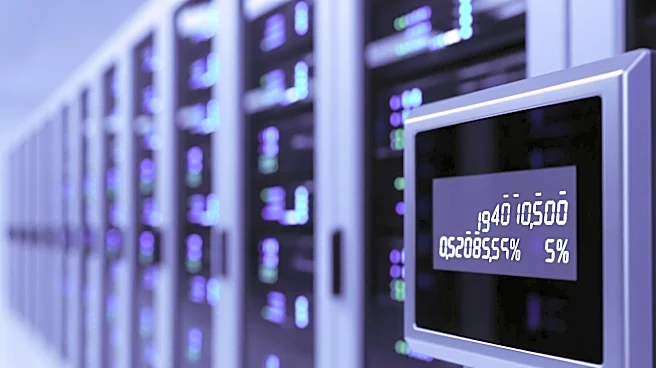
Business Insider has released a comprehensive map detailing the locations of over 1,400 data centers across the United States, highlighting the rapid expansion of these facilities. The map includes data centers built or approved for construction by the end
of 2025, with a focus on areas like Virginia, West Texas, and rural Wisconsin. The analysis is based on air permits for backup generators, which are used to estimate electricity use. However, some facilities, like Meta's Hyperion Campus in Louisiana, may appear smaller in the analysis due to the lack of permitted backup generators, as they rely on dedicated power sources.
Why It's Important?
The proliferation of data centers is a significant development in the tech industry, driven by the increasing demand for data processing and storage. However, this growth raises environmental concerns, particularly regarding energy consumption and water use. Data centers require substantial electricity, often sourced from fossil fuels, contributing to greenhouse gas emissions. The expansion into drought-prone areas further complicates resource management, as these facilities can strain local water supplies. Understanding the distribution and impact of data centers is crucial for policymakers and communities to address these challenges and promote sustainable practices.
What's Next?
As data centers continue to expand, there may be increased regulatory scrutiny and public debate over their environmental impact. Policymakers could implement stricter guidelines on water and energy use, encouraging the adoption of renewable energy sources and more efficient technologies. The tech industry may also face pressure to improve transparency and accountability in reporting environmental impacts. Additionally, community engagement and collaboration with local authorities could become more critical in site selection and development processes, ensuring that data center growth aligns with environmental and social priorities.