






What's Happening?
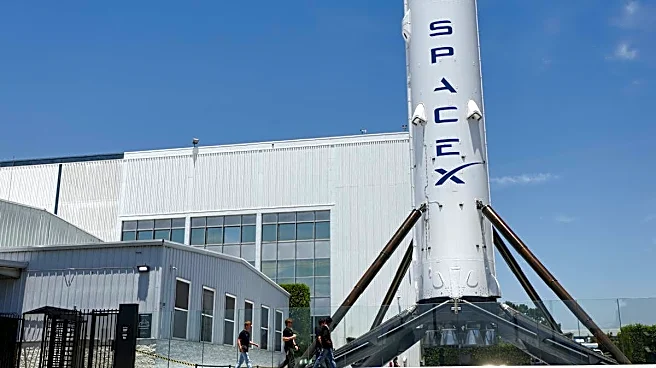
SpaceX, led by Elon Musk, is preparing for its initial public offering (IPO) with a unique approach that deviates from traditional IPO practices. The company has set a fixed price of $135 per share, bypassing the usual method of providing a price range
and adjusting based on investor demand. This IPO aims to raise approximately $75 billion, marking a significant event in the financial markets. The allocation of shares to underwriters and asset managers is still pending, which is crucial for distributing shares to clients before trading begins. This approach reflects Musk's influence and the high expectations surrounding SpaceX's market debut.
Why It's Important?
The SpaceX IPO is significant due to its potential impact on the financial markets and the aerospace industry. By setting a fixed price, SpaceX is challenging traditional IPO norms, which could influence future offerings. The substantial valuation underscores investor confidence in SpaceX's growth prospects and its role in advancing space exploration. The IPO's success could enhance SpaceX's financial resources, enabling further innovation and expansion. However, the uncertainty over retail allocation highlights potential challenges in ensuring equitable access to shares, which could affect investor sentiment and market dynamics.
What's Next?
As the IPO progresses, key stakeholders will be closely monitoring the allocation process and initial trading performance. The outcome could influence future IPO strategies, particularly for high-profile companies. Investors and analysts will assess how SpaceX's market entry affects its operational capabilities and strategic initiatives. Additionally, the IPO's reception may impact investor confidence in other tech and aerospace ventures, potentially shaping investment trends in these sectors.