
What's Happening?
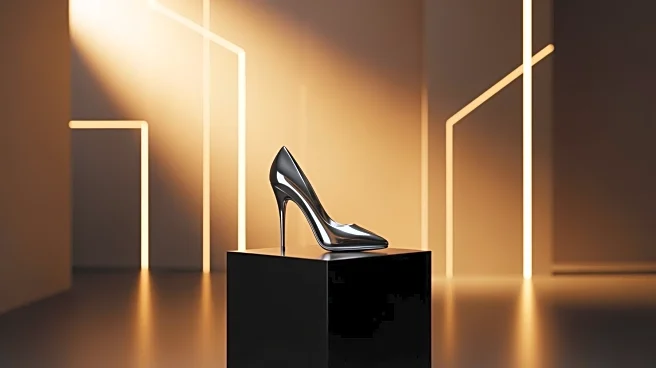
Manolo Blahnik, the luxury footwear and accessories brand, has opened its first store in Beijing at the SKP mall, a prominent luxury retail destination in China. This marks the brand's 21st retail location
globally. The store's design, inspired by the brand's Burlington Arcade store in London, features a geometric layout with minimal and modern flooring, and furniture designed by Beijing-based Chen Darui. The opening in Beijing follows a significant legal victory for Manolo Blahnik, which secured the rights to use its brand name in China after a 22-year trademark dispute. The Supreme People’s Court of China invalidated an unlawful trademark registered by a local businessman in 2000, allowing the brand to establish a wholly foreign-owned enterprise in the country. The Beijing store will offer an exclusive version of the brand’s popular satin pump Nadira, featuring baby pink with leaf-inspired crystal embellishments.
Why It's Important?
The opening of Manolo Blahnik's store in Beijing is a strategic move to expand its presence in the lucrative Chinese luxury market. This development is significant as it follows the resolution of a long-standing trademark dispute, highlighting the challenges and complexities foreign brands face in protecting their intellectual property in China. The successful establishment of a wholly foreign-owned enterprise allows Manolo Blahnik to directly engage with Chinese consumers, offering tailored products and experiences. This expansion is not only about commercial success but also about brand storytelling and cultural engagement, which are crucial for luxury brands aiming to build a loyal customer base in China. The move could set a precedent for other international brands seeking to navigate the Chinese market's legal and commercial landscape.
What's Next?
Following the Beijing store opening, Manolo Blahnik may continue to expand its footprint in China, potentially opening more locations in other major cities. The brand's focus on storytelling and curated customer experiences suggests that future expansions will emphasize brand identity and consumer engagement. The resolution of the trademark dispute may encourage other international brands to pursue similar legal actions to protect their intellectual property in China. Additionally, the brand's strategy in China could influence its global marketing and expansion plans, as it seeks to balance commercial growth with maintaining its luxury image.