





What's Happening?
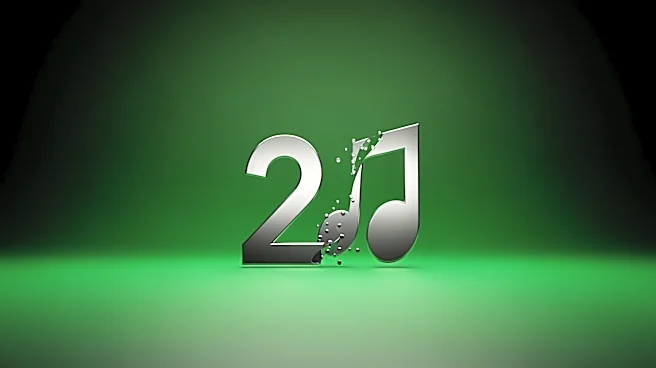
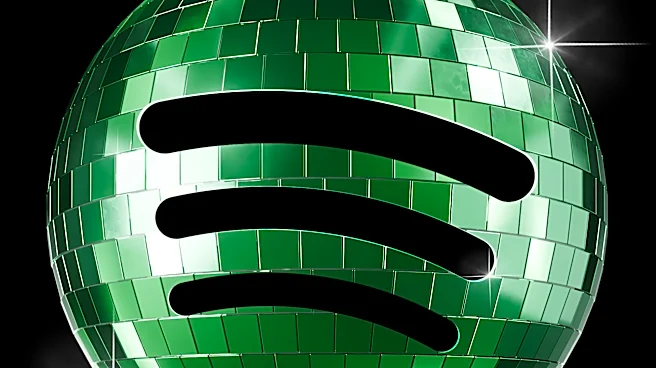
Spotify introduced a temporary disco-ball logo on May 14, 2026, to celebrate its 20th anniversary. The new logo, which is a sparkly version of the traditional green icon, has sparked mixed reactions among users. Some social media users criticized the design,
calling it tacky and expressing a desire to remove it from their home screens. Others appreciated the flashy and clean look of the disco-ball design. Spotify has acknowledged the mixed feedback and announced that the temporary logo will soon be replaced with the original icon. The logo change coincided with the launch of a new feature called 'Spotify 20: Your Party of the Year,' which allows users to explore their music history on the platform.
Why It's Important?
The temporary logo change and the introduction of the 'Spotify 20: Your Party of the Year' feature highlight Spotify's efforts to engage users and celebrate its milestone anniversary. The mixed reactions to the logo underscore the challenges companies face when altering well-established brand elements. While some users appreciate the novelty, others prefer the familiarity of the original design. This situation illustrates the delicate balance companies must maintain between innovation and brand consistency. The feature that allows users to reflect on their music history could enhance user engagement by fostering a sense of nostalgia and personal connection to the platform.
What's Next?
Spotify plans to revert to its original logo next week, as confirmed by the company. The temporary nature of the disco-ball logo suggests that Spotify is responsive to user feedback and willing to adapt its branding strategies accordingly. The company may continue to explore similar initiatives in the future to celebrate milestones or introduce new features. Stakeholders, including users and investors, will likely monitor how such changes impact user engagement and brand perception. The success of the 'Spotify 20: Your Party of the Year' feature could influence Spotify's future strategies for user interaction and platform personalization.