







What's Happening?
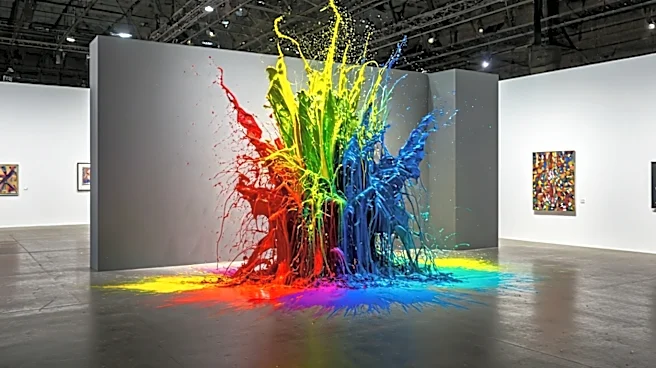
James McNeill Whistler, a renowned artist known for his contentious nature, famously sued art critic John Ruskin in 1877. Ruskin had criticized Whistler's work, describing it as a 'coxcomb... flinging a pot of paint in the public’s face.' The court case,
which Whistler won, awarded him only a farthing in damages, yet it significantly contributed to his financial downfall. This legal battle is a focal point in Whistler's career, often overshadowing his artistic achievements. Despite this, Whistler was a prolific artist, known for his dedication to his craft and his belief in the importance of art. His disputes were often centered around his demand for respect for his artistic ideas. Whistler's career was marked by numerous conflicts, including disagreements with other artists and patrons, such as Gustave Courbet and Frederick Leyland.
Why It's Important?
The legal battle between Whistler and Ruskin highlights the tension between artists and critics, a dynamic that continues to influence the art world today. Whistler's case underscores the financial vulnerabilities artists can face, even when they achieve critical acclaim. The case also illustrates the broader cultural and economic challenges artists encounter, such as the need for financial stability and the impact of public perception on an artist's career. Whistler's insistence on the respect for his artistic vision reflects ongoing debates about artistic integrity and the role of criticism in shaping public and market perceptions of art. This historical case remains relevant as it echoes current discussions about the value of art and the power dynamics between creators and critics.
What's Next?
The legacy of Whistler's legal battle with Ruskin continues to influence discussions about the relationship between artists and critics. As the art world evolves, the balance between artistic freedom and critical evaluation remains a pertinent issue. Future exhibitions and retrospectives of Whistler's work, such as the one at Tate Britain, aim to recontextualize his contributions to art beyond the infamous court case. These exhibitions provide an opportunity to explore Whistler's broader impact on modern art and his role in the development of post-Impressionism. The ongoing interest in Whistler's work suggests that his artistic philosophy and the controversies surrounding his career will continue to be subjects of scholarly and public interest.
Beyond the Headlines
Whistler's legal battle with Ruskin and his subsequent financial struggles highlight the precarious nature of an artist's career. The case serves as a reminder of the potential consequences of public criticism and the importance of financial management for artists. Whistler's story also emphasizes the need for a supportive infrastructure for artists, including legal and financial resources, to help them navigate the challenges of the art world. Additionally, Whistler's insistence on the importance of beauty and artistic integrity continues to resonate in contemporary discussions about the role of art in society. His belief in the necessity of beauty as a fundamental aspect of human experience remains a powerful argument for the value of art in everyday life.