
What's Happening?
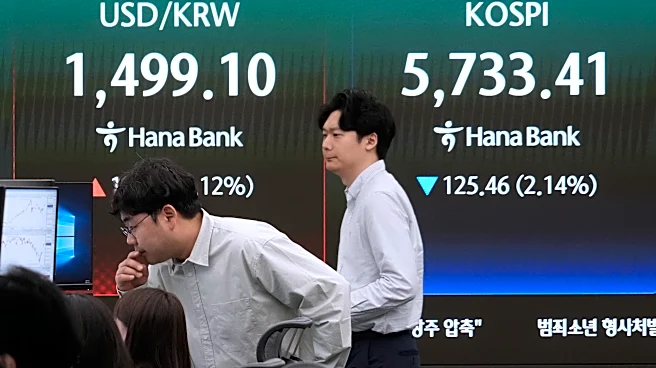
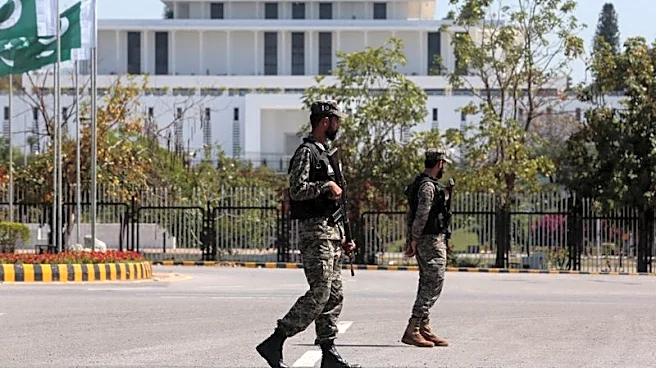
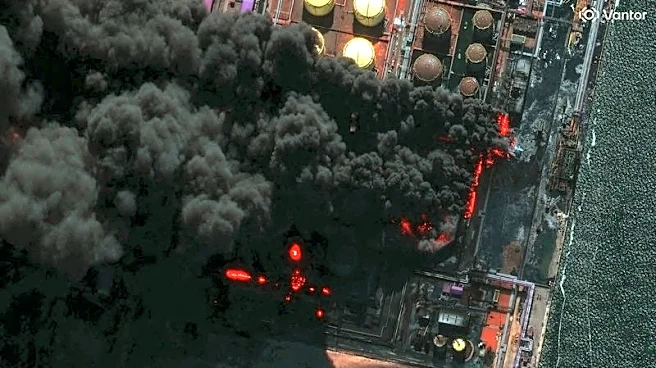
Mark Tinker, Managing Director and Chief Investment Officer of Toscafund Hong Kong, has commented on the current market reactions to the ongoing conflict involving Iran. According to Tinker, the market is
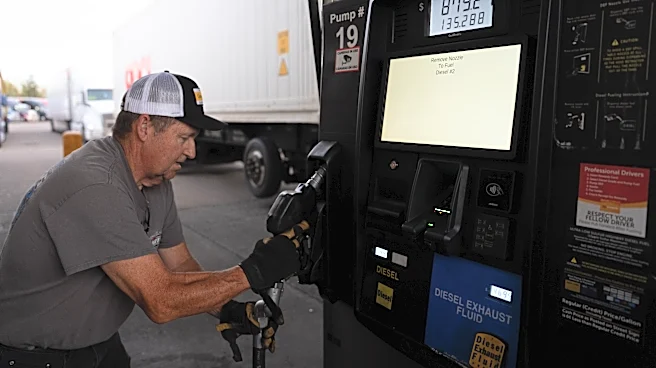
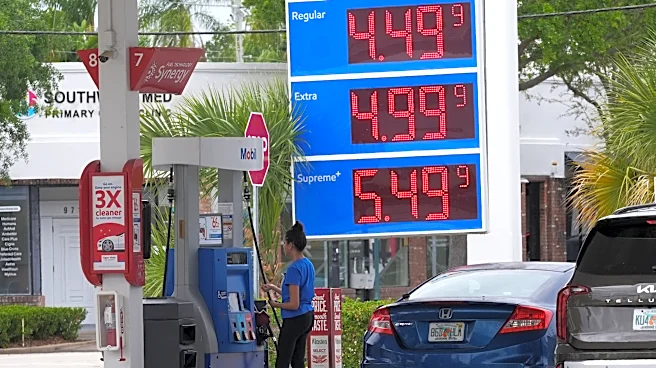
experiencing a new 'inflation pulse' driven by supply chain bottlenecks, reminiscent of the economic shock observed during the Ukraine war. He notes that the backwardation in oil prices suggests that markets do not anticipate the Iran war to extend beyond 12 months. This backwardation, a situation where the current price of oil is higher than prices for future delivery, indicates expectations of a short-lived conflict, affecting investor sentiment and market dynamics.
Why It's Important?
The insights provided by Mark Tinker highlight significant concerns for global markets, particularly in terms of inflation and supply chain disruptions. The inflation pulse he describes could lead to increased costs for businesses and consumers, affecting economic stability. The backwardation in oil prices serves as a critical indicator of market expectations, influencing investment strategies and economic forecasts. If the Iran conflict is indeed short-lived, as suggested, it may mitigate prolonged economic disruptions. However, the immediate impact on inflation and supply chains could still pose challenges for policymakers and businesses, necessitating strategic adjustments to manage potential volatility.
What's Next?
Should the Iran conflict resolve within the anticipated timeframe, markets may stabilize, reducing inflationary pressures and easing supply chain bottlenecks. Investors and businesses will likely monitor geopolitical developments closely, adjusting strategies based on emerging information. Policymakers may need to implement measures to address inflation and support affected industries. The situation underscores the importance of geopolitical risk assessment in financial planning and economic policy formulation.