
What's Happening?
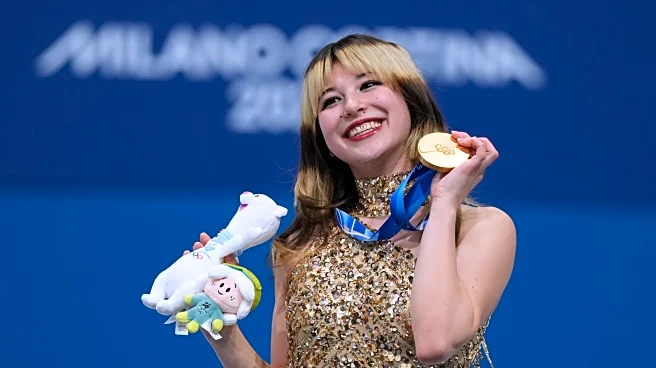
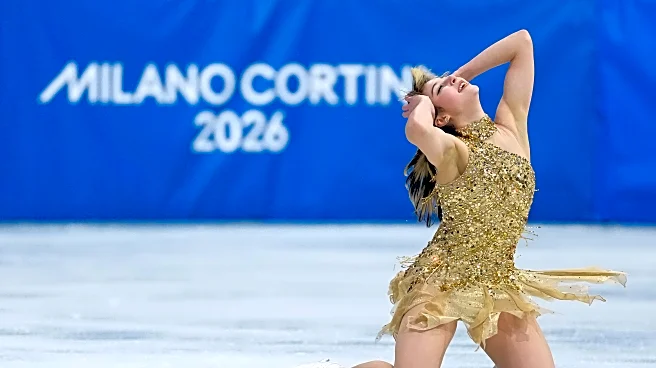
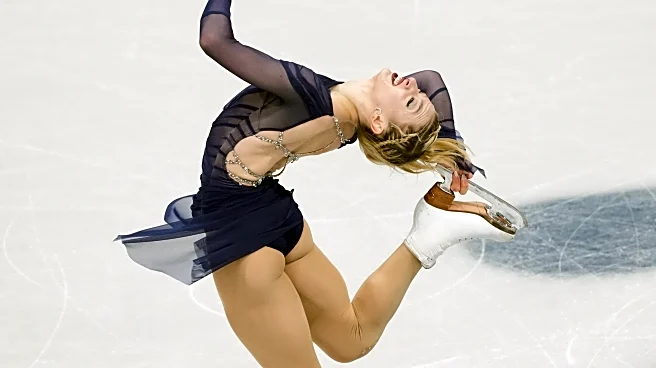
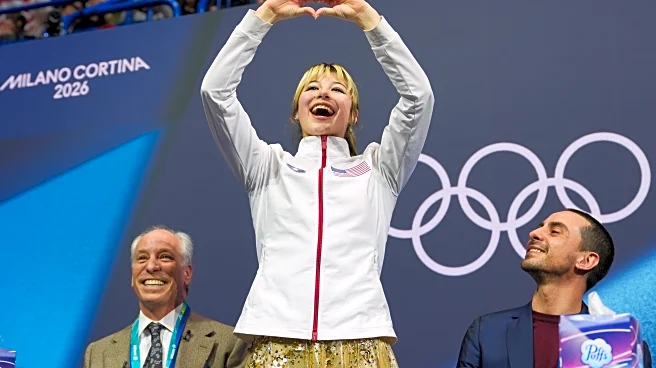
At the Milan Cortina Games, Olympic figure skaters are demonstrating a significant cultural shift in the sport by fostering camaraderie and mutual support among competitors. Historically, figure skating has been characterized by intense rivalries and a focus on individual achievements. However, athletes like Glenn and Kaori Sakamoto are setting a new tone by celebrating each other's successes and emphasizing teamwork. This change is partly attributed to the introduction of team events, such as the World Team Trophy, which encourages skaters to view their achievements as collective rather than individual. The U.S. team, known as the 'Blade Angels,' exemplifies this spirit, with skaters like Liu expressing gratitude for the opportunity to compete
alongside peers of similar caliber. The shift away from a sole focus on technical elements like quadruple jumps to a broader array of athletic movements has also contributed to a more supportive environment.
Why It's Important?
This cultural shift in figure skating is significant as it may lead to increased popularity and a broader audience for the sport. By promoting a more inclusive and supportive atmosphere, skaters are working to elevate the sport's image and appeal. This change could attract new fans and sponsors, revitalizing interest similar to the sport's peak in the 1990s. The emphasis on teamwork and creativity over individual rivalry may also inspire younger athletes to pursue figure skating, knowing they will be part of a supportive community. This evolution in the sport's culture could lead to more collaborative and innovative performances, enhancing the overall spectator experience.
What's Next?
As the sport continues to evolve, the focus on camaraderie and teamwork is likely to influence future competitions and training approaches. Skaters and coaches may prioritize collaborative training sessions and team-building activities to strengthen bonds among athletes. The success of team events at the Olympics could lead to their expansion in other international competitions, further embedding this cultural shift. Additionally, the sport's governing bodies might implement policies that encourage positive interactions and support among competitors, fostering a healthier competitive environment.
Beyond the Headlines
The shift in figure skating culture also raises questions about the broader implications for sportsmanship and competition in other sports. As figure skating moves towards a more supportive model, other sports may consider adopting similar approaches to enhance athlete well-being and public perception. This change could also influence how media and fans perceive and engage with sports, potentially leading to a more positive and inclusive sports culture overall.