


What's Happening?
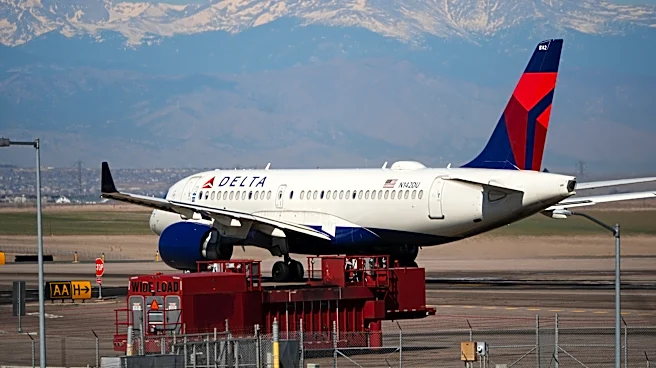
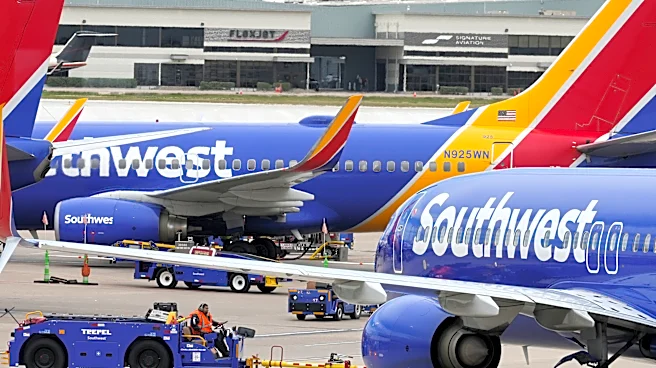
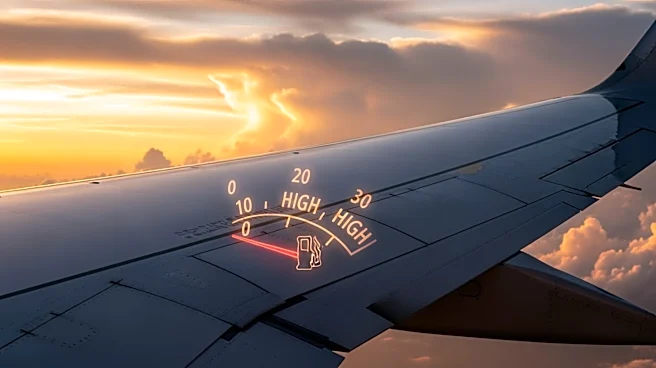
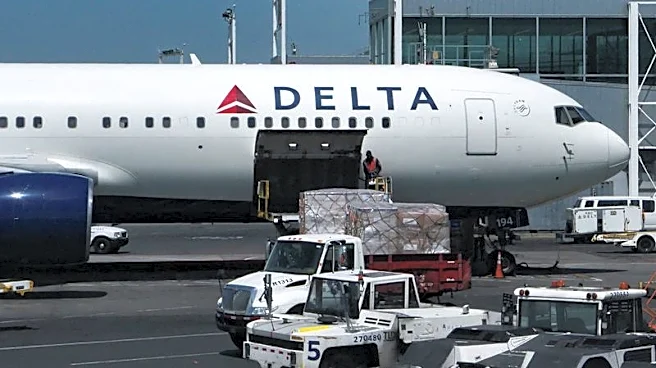
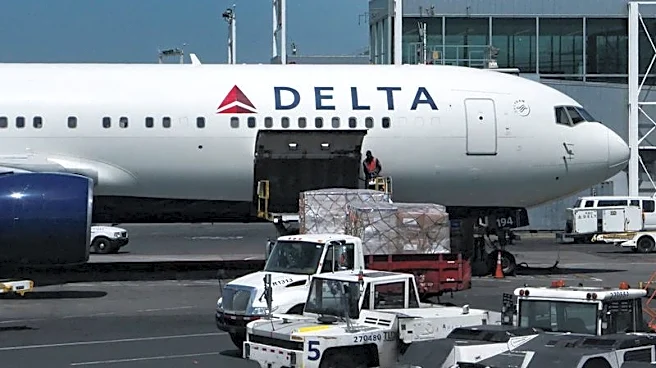
U.S. airlines, including Delta, United, and JetBlue, have increased their checked baggage fees in response to rising jet fuel costs. This move comes as airlines face volatile oil prices, which have been affected by geopolitical tensions in the Middle
East. The price of oil has fluctuated significantly, impacting the cost of jet fuel and leading airlines to adjust their pricing strategies. As a result, travelers are experiencing higher costs and fewer flight options. Airlines are also reducing their flight schedules, with United Airlines cutting about 5% of its planned flights to manage costs. These changes are affecting both budget-conscious travelers and those in premium cabins, as airlines embed higher operating costs into ticket prices and add-on fees.
Why It's Important?
The increase in baggage fees and reduction in flight options highlight the broader economic impact of fluctuating oil prices on the airline industry. As airlines adjust to higher fuel costs, travelers face increased expenses, which could lead to a decrease in travel demand. This situation underscores the vulnerability of the airline industry to external economic factors, such as geopolitical tensions and energy market volatility. The changes also reflect a shift in airline strategies, as they seek to maintain profitability by passing costs onto consumers. This could have long-term implications for consumer behavior, as travelers may become more price-sensitive and seek alternative modes of transportation.
What's Next?
Airlines are likely to continue monitoring oil prices and adjusting their pricing and scheduling strategies accordingly. If fuel prices remain high, further increases in fees and reductions in flight options could occur. Travelers may need to adapt by planning trips more strategically, using fare-tracking tools, and considering alternative travel dates or routes. Airlines may also explore additional cost-cutting measures or seek to improve fuel efficiency to mitigate the impact of rising fuel costs. The situation could prompt discussions among industry stakeholders about the need for more sustainable and resilient business models in the face of economic uncertainties.