
What's Happening?
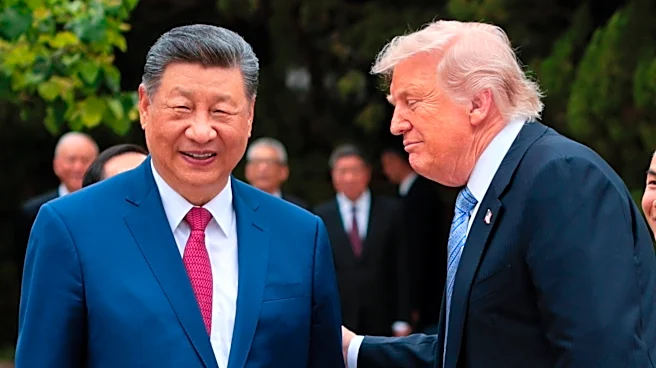
The U.S. agricultural sector is closely monitoring trade discussions with China, as these talks are pivotal for the future demand of U.S. crops and the stability of farm income. China remains a significant
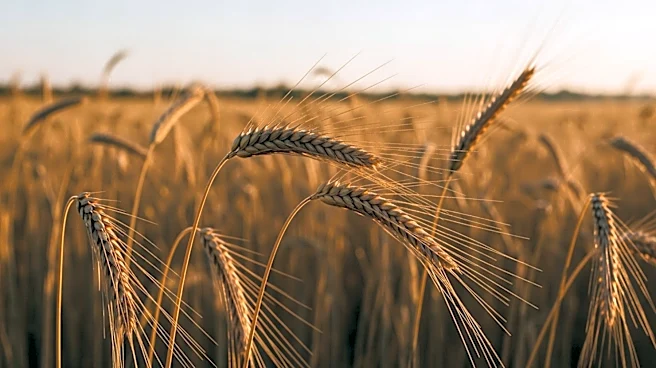
market for U.S. agricultural exports, particularly for soybeans, cotton, sorghum, and pork. However, recent years have seen a decline in exports to China, dropping from approximately $40.9 billion in 2022 to nearly $27 billion by 2024. This decrease is attributed to China sourcing more agricultural products from countries like Brazil and Argentina, increasing competition for U.S. farmers. Soybeans, which accounted for about 47% of U.S. agricultural exports to China in 2024, have been particularly affected by this shift. Despite a slight recovery in U.S. exports, competition remains fierce, with Brazil capturing a larger market share. Recent data indicates a modest improvement in soybean export sales to China in early 2026, following a trade agreement that includes commitments from China to purchase U.S. soybeans.
Why It's Important?
The outcome of U.S.-China trade discussions is crucial for American farmers, who are currently facing low prices and tight profit margins. Steady export demand is essential for maintaining farm income and market stability. The shift in China's sourcing patterns, favoring countries like Brazil, underscores the competitive challenges U.S. farmers face in the global market. The trade agreements being negotiated could potentially restore some of the lost market share and provide a more stable economic environment for U.S. agriculture. However, the inconsistency in China's purchasing patterns, often favoring Brazilian soybeans during certain seasons, continues to pose a risk to U.S. exports. The agricultural sector's reliance on export markets makes these trade talks a significant factor in the economic well-being of American farmers.
What's Next?
As trade discussions between the U.S. and China progress, the agricultural sector will be keenly observing any developments that could impact export commitments. Future trade agreements will be critical in determining the level of access U.S. farmers have to the Chinese market. The potential for increased export sales could provide much-needed relief to farmers struggling with low commodity prices. However, the ongoing competition from Brazil and other countries will require U.S. farmers to remain adaptable and competitive. The agricultural industry may also need to explore diversification strategies to mitigate risks associated with reliance on a single export market.