
What's Happening?
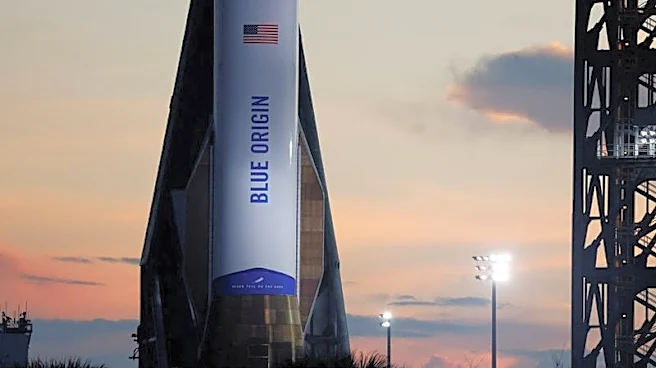
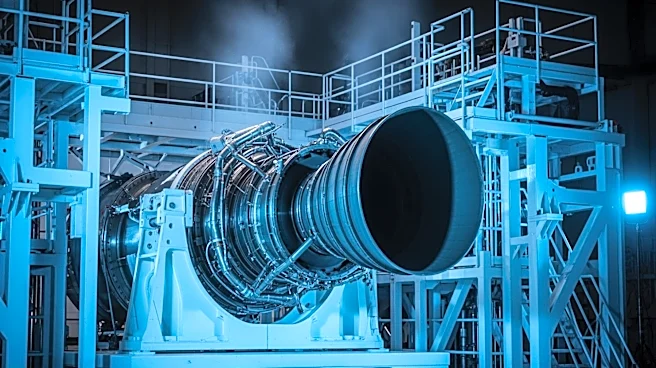
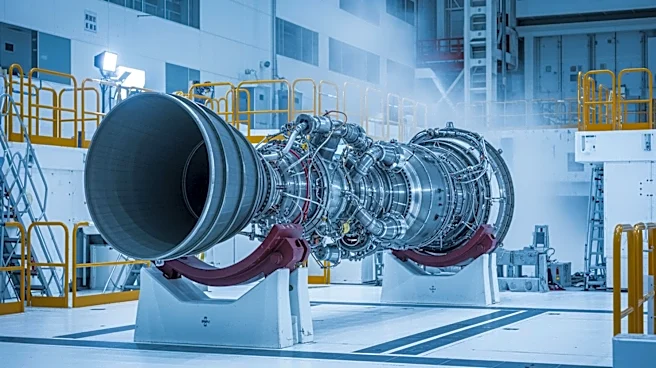
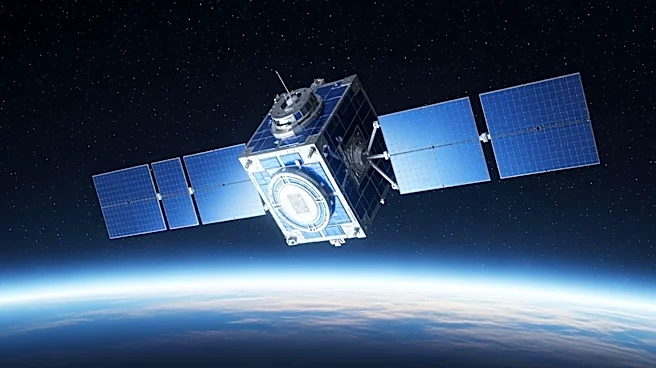
AST SpaceMobile, a company focused on creating a global cellular broadband network in space, recently launched its BlueBird 7 satellite on the New Glenn launch vehicle. However, the satellite was placed
into a lower than planned orbit, which is insufficient for its operations. Despite the satellite successfully separating from the launch vehicle and powering on, its current altitude does not allow it to sustain operations with its on-board thruster technology, leading to its de-orbiting. The financial impact of this setback is mitigated as the cost of the satellite is expected to be covered by the company's insurance policy. BlueBird 7 was intended to be the eighth satellite in AST SpaceMobile's network, with plans to deploy up to 45 satellites by the end of 2026.
Why It's Important?
The launch of BlueBird 7 is a critical component of AST SpaceMobile's mission to eliminate connectivity gaps for mobile subscribers worldwide. The setback highlights the challenges faced in deploying space-based infrastructure, which is crucial for expanding broadband access to underserved regions. The company's ability to recover the satellite's cost through insurance demonstrates a level of risk management, but the incident underscores the technical and logistical hurdles in achieving seamless global connectivity. The success of future launches is vital for AST SpaceMobile to maintain its competitive edge and fulfill its promise of providing broadband access to billions of unconnected individuals.
What's Next?
AST SpaceMobile plans to continue its satellite deployment schedule, with BlueBird 8 to 10 expected to be ready for launch within the next 30 days. The company aims to conduct orbital launches every one to two months throughout 2026, supported by agreements with multiple launch providers. This aggressive launch schedule is essential for meeting the target of having approximately 45 satellites in orbit by the end of 2026. The company will need to address the technical issues encountered with BlueBird 7 to ensure the success of future missions and maintain investor confidence.