







What's Happening?
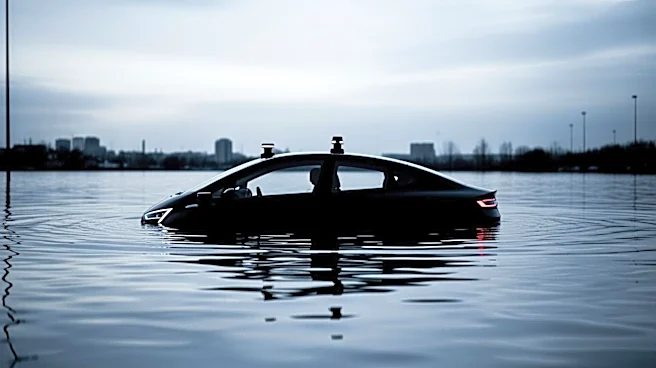
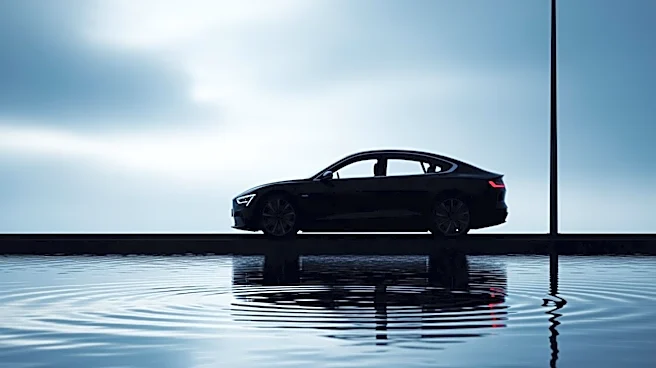
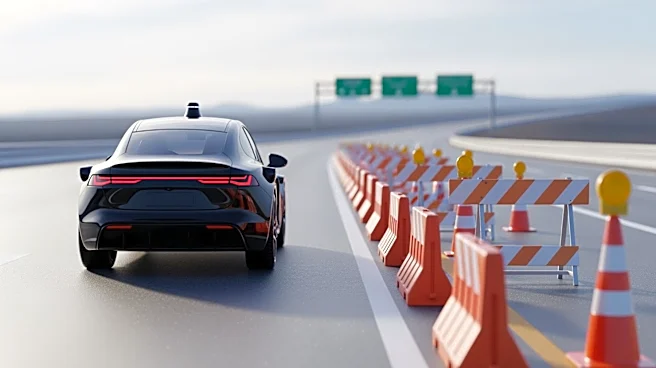
Waymo, the autonomous vehicle company owned by Alphabet, has suspended freeway driving across all its U.S. markets due to safety concerns related to construction zones. This decision follows incidents where Waymo's robotaxis were observed navigating flooded
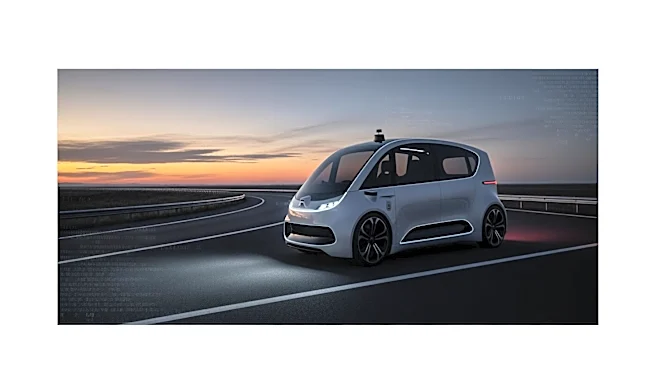
roads at high speeds in Texas, prompting a software recall. The suspension affects major cities like San Francisco, Los Angeles, Phoenix, and Miami, where freeway trips were previously available. Waymo's spokesperson, Chris Pappas, stated that the company is committed to ensuring the safety and reliability of its services, which led to the temporary pause. The company is currently expanding into new markets with a goal of reaching one million paid rides per week, and is preparing to launch a new vehicle featuring its latest autonomous driving software.
Why It's Important?
The suspension of freeway driving by Waymo highlights the ongoing challenges faced by autonomous vehicle companies in ensuring safety and reliability. Freeway driving is crucial for reducing trip times and accessing financially significant routes, such as those to airports. This pause could impact Waymo's competitive edge against traditional rideshare services like Uber and Lyft, which rely on human drivers. The decision underscores the complexities of integrating autonomous vehicles into existing infrastructure, particularly in areas with construction and adverse weather conditions. It also raises questions about the readiness of autonomous technology to handle real-world driving scenarios without human intervention.
What's Next?
Waymo has not provided a timeline for when freeway driving will resume or when services in Atlanta and San Antonio will be reinstated. The company will likely focus on addressing the identified safety issues and refining its software to better handle construction zones and adverse conditions. Stakeholders, including city officials and transportation regulators, may seek further assurances from Waymo regarding the safety of its autonomous vehicles. The outcome of these efforts will be closely watched by the industry, as it could influence public perception and regulatory approaches to autonomous vehicle deployment.