








What's Happening?
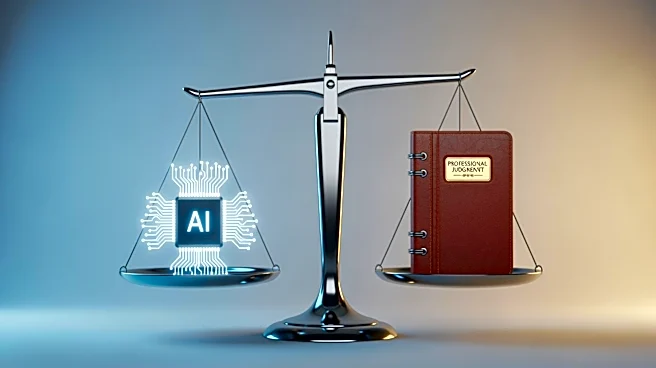
The accounting industry is increasingly adopting AI-enabled tools to streamline tax compliance and reduce labor costs. However, these tools cannot fully replace the professional judgment required in determining eligibility for R&D tax credits. While AI can assist
in structuring information, CPAs must still apply critical thinking to ensure compliance with tax regulations. The shift from offshoring to AI-enabled systems raises questions about professional responsibility and the role of human expertise in tax administration.
Why It's Important?
The integration of AI in tax compliance has the potential to enhance efficiency and accuracy, but it also underscores the need for human oversight. As AI tools become more prevalent, CPAs must navigate the balance between leveraging technology and maintaining professional standards. This is crucial for ensuring the credibility of R&D tax credits and minimizing audit risks. The industry must adapt to these changes while safeguarding the integrity of tax practices.
What's Next?
As AI tools continue to evolve, the accounting industry will need to establish clear guidelines for their use in tax compliance. This includes defining the scope of AI's role and ensuring that CPAs remain accountable for the final outcomes. Ongoing education and training will be essential for professionals to effectively integrate AI into their practices while upholding ethical standards.