





What's Happening?
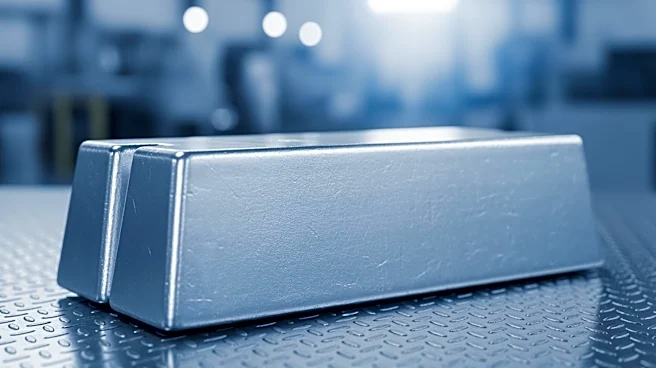
Century Aluminum Company has successfully produced the first hot metal from its expanded Mt Holly plant in Berkeley County, South Carolina. This expansion is expected to increase the total U.S. primary aluminum production by 10% and has already resulted
in the creation of 125 permanent jobs in the state. The expansion solidifies Century's position as the largest producer of primary aluminum in the U.S. Additionally, Century has partnered with Emirates Global Aluminium to construct the first primary aluminum smelter in the U.S. in nearly 50 years, located in Oklahoma. This new smelter is projected to add 750,000 tons of primary aluminum production, effectively doubling the current U.S. capacity. The project is anticipated to be the largest investment in the production of a critical metal in U.S. history, creating over 1,000 direct jobs and 4,000 construction jobs.
Why It's Important?
The expansion of Century Aluminum's production capacity is significant for the U.S. economy and national security. By increasing domestic production, the U.S. can reduce its reliance on foreign aluminum sources, which is crucial given recent global supply chain disruptions. The investment aligns with President Trump's Section 232 aluminum tariff, which aims to bolster domestic production. This development not only strengthens the U.S. aluminum industry but also supports job creation and economic growth in South Carolina and Oklahoma. The increased production capacity will help meet the growing demand for aluminum, a critical metal used in various industries, including automotive, aerospace, and construction.
What's Next?
Century Aluminum's expansion and the new smelter project in Oklahoma are expected to reach full production by the end of June. As these projects progress, they will likely attract further investments in the U.S. aluminum industry. The increased production capacity may also lead to more competitive pricing and improved supply chain stability. Stakeholders, including local governments and industry partners, will be closely monitoring the project's impact on job creation and economic development in the regions involved.