


What's Happening?
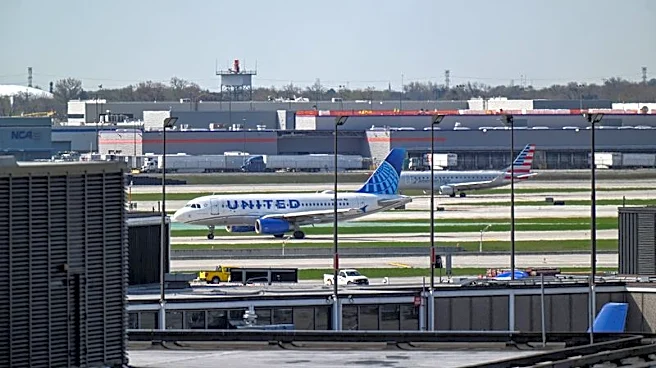
United Airlines CEO Scott Kirby has proposed a merger with American Airlines, which has been met with opposition from Senators Elizabeth Warren and Mike Lee. The senators expressed concerns that such a merger would reduce competition in the airline industry,
potentially leading to higher ticket prices and fees for consumers. They also highlighted the negative impact on smaller airlines' ability to compete and potential wage reductions for airline workers. American Airlines has rejected the merger proposal, stating it is not interested in discussions with United Airlines. The proposal has drawn attention to the potential consequences for the airline industry and its stakeholders.
Why It's Important?
The proposed merger between United Airlines and American Airlines is significant as it could reshape the competitive landscape of the U.S. airline industry. A merger of this scale could lead to reduced competition, which may result in higher costs for consumers and fewer choices in the market. Smaller airlines could struggle to compete for gate access, potentially leading to a less diverse airline market. Additionally, the merger could impact airline workers by reducing the number of employers, potentially leading to lower wages. The opposition from Senators Warren and Lee underscores the potential regulatory and political challenges such a merger would face.
What's Next?
Senators Warren and Lee have requested that the CEOs of United and American Airlines provide details by May 3 on whether they have discussed the merger and how it could affect consumers. The response from the airlines will likely influence the next steps in this potential merger. Regulatory scrutiny and public opinion will play crucial roles in determining the feasibility of the merger. Stakeholders, including airline workers, consumers, and smaller airlines, will be closely monitoring developments to understand the potential impacts on their interests.