







What's Happening?
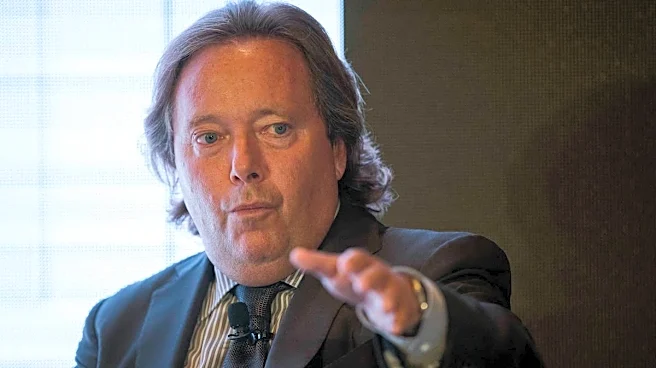
Pierre Deny, known for his role as Louis de Léon in the Netflix series 'Emily in Paris', has died at the age of 69 after battling Amyotrophic Lateral Sclerosis (ALS). Deny appeared in the third and fourth seasons of the show, which stars Lily Collins.
His daughters confirmed his passing, stating that it occurred following a sudden and severe case of ALS. ALS is a progressive nervous system disease that affects nerve cells in the brain and spinal cord, leading to loss of muscle control. The disease typically results in a life expectancy of three to five years post-diagnosis, although some patients may live longer.
Why It's Important?
The death of Pierre Deny highlights the ongoing challenges and impact of ALS, a disease with no known cure. His passing brings attention to the need for continued research and funding to find effective treatments. The entertainment industry often serves as a platform to raise awareness about such diseases, potentially influencing public interest and support for medical research. Deny's role in a popular series like 'Emily in Paris' may amplify the conversation around ALS, encouraging donations and support for organizations dedicated to combating the disease.
What's Next?
In the wake of Deny's passing, there may be increased efforts to support ALS research and awareness campaigns. Fans of 'Emily in Paris' and the broader public might be motivated to contribute to ALS charities and initiatives. The entertainment industry could also see more projects that address ALS and similar conditions, using storytelling to educate audiences and foster empathy. Additionally, Deny's colleagues and fans may organize tributes or memorials to honor his legacy and raise awareness about ALS.
Beyond the Headlines
Deny's death underscores the broader cultural and ethical implications of how society supports individuals with terminal illnesses. It raises questions about healthcare accessibility, the allocation of research funding, and the role of public figures in advocating for medical advancements. The entertainment industry, by portraying characters with such conditions, can play a crucial role in shaping public perception and policy discussions related to healthcare and disease management.