


What's Happening?
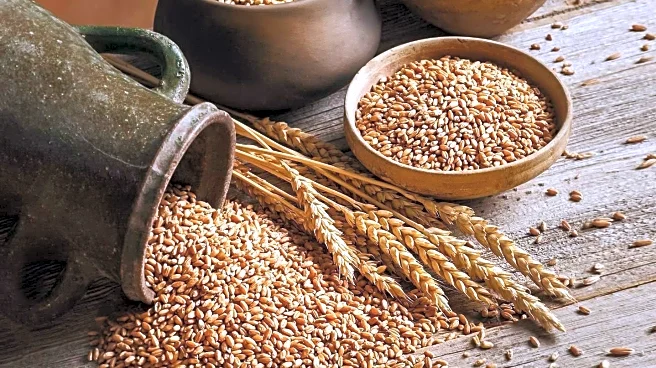
A recent analysis by a dietitian emphasizes the role of whole grains in promoting weight loss and reducing the risk of chronic diseases. Whole grains, which include oats, whole wheat, quinoa, and brown rice, are rich in fiber and plant protein, contributing to satiety and aiding in weight management. The analysis suggests that replacing refined grains with whole grains can protect against heart disease, diabetes, and certain cancers. The 2025-2030 Dietary Guidelines for Americans recommend consuming 2 to 4 servings of whole grains daily while limiting refined carbohydrates. The dietitian, Caroline Susie, RDN, highlights that whole grains help maintain a healthy weight by decreasing appetite and improving gut microbiome health.
Why It's Important?
The emphasis on
whole grains is significant as it challenges the common perception that carbohydrates must be eliminated for effective weight loss. By promoting whole grains, the analysis supports a sustainable approach to dieting that can be maintained long-term, reducing the likelihood of feeling deprived. This approach not only aids in weight management but also offers protective health benefits, potentially lowering healthcare costs associated with chronic diseases. The focus on whole grains aligns with broader public health goals to improve dietary habits and reduce the prevalence of obesity and related health issues in the U.S.
What's Next?
As awareness of the benefits of whole grains grows, it is likely that dietary guidelines and public health campaigns will increasingly promote their consumption. This could lead to changes in food labeling and marketing, encouraging consumers to choose whole grain options. Additionally, food manufacturers may expand their product lines to include more whole grain offerings, responding to consumer demand for healthier options. The ongoing research into the health benefits of whole grains may further solidify their role in dietary recommendations.