


What's Happening?
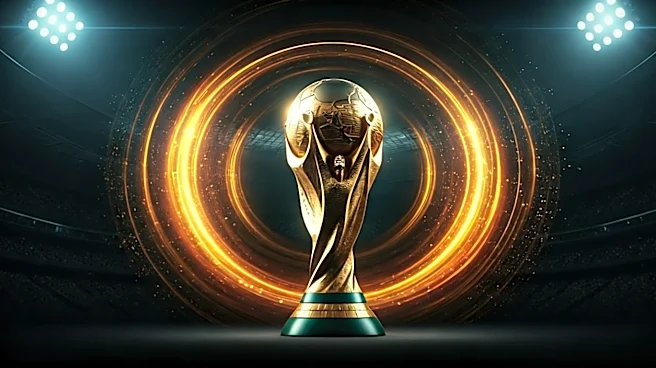
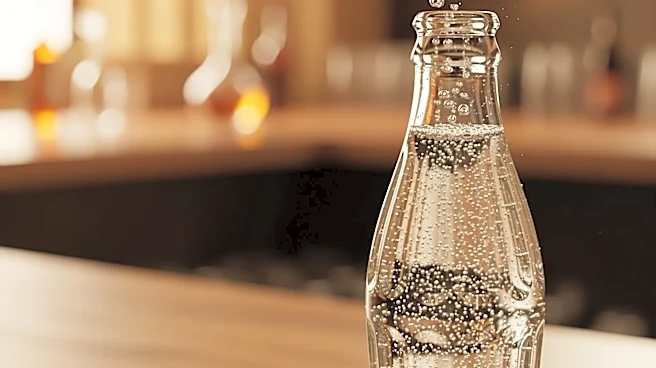
As the FIFA World Cup 2026 approaches, major beverage brands are preparing extensive marketing campaigns to capitalize on the global event. Coca-Cola, a long-time partner of FIFA, will be the official soft drink sponsor, featuring a campaign with celebrities
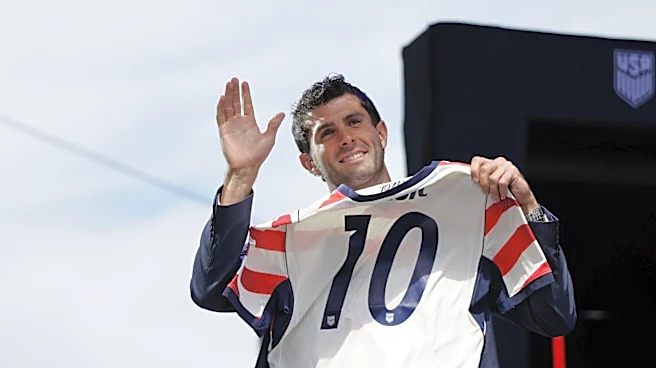
like J Balvin and Travis Barker. The campaign includes limited edition stickers on Coca-Cola bottles. Michelob Ultra, the official beer sponsor, will highlight its non-alcoholic brew, with Lionel Messi and Christian Pulisic in its advertisements. Nütrl Vodka Seltzer will serve as the official hard seltzer sponsor, offering fans a chance to win World Cup Final tickets. Powerade, the official sports drink, will focus on athlete hydration, while Stella Artois and Diageo will also launch campaigns featuring prominent figures like David Beckham. These brands aim to leverage the World Cup's massive viewership to enhance their market presence.
Why It's Important?
The FIFA World Cup is one of the most-watched sporting events globally, providing an unparalleled platform for brands to reach a diverse audience. For Coca-Cola and other beverage companies, this event offers a unique opportunity to boost brand visibility and engage with consumers on a large scale. The involvement of high-profile celebrities and athletes in these campaigns is likely to attract significant attention, potentially increasing sales and brand loyalty. The World Cup's extensive reach across different demographics and cultures makes it a strategic marketing opportunity for these companies to expand their global footprint and reinforce their brand image.
What's Next?
As the World Cup draws closer, these beverage brands will likely intensify their marketing efforts, rolling out more promotional activities and engaging with fans through various channels. The success of these campaigns could influence future marketing strategies and partnerships for major sporting events. Additionally, the response from consumers and the effectiveness of these campaigns in driving sales will be closely monitored by industry analysts and competitors. The outcome could set new benchmarks for marketing in the beverage industry, particularly in leveraging global events for brand promotion.